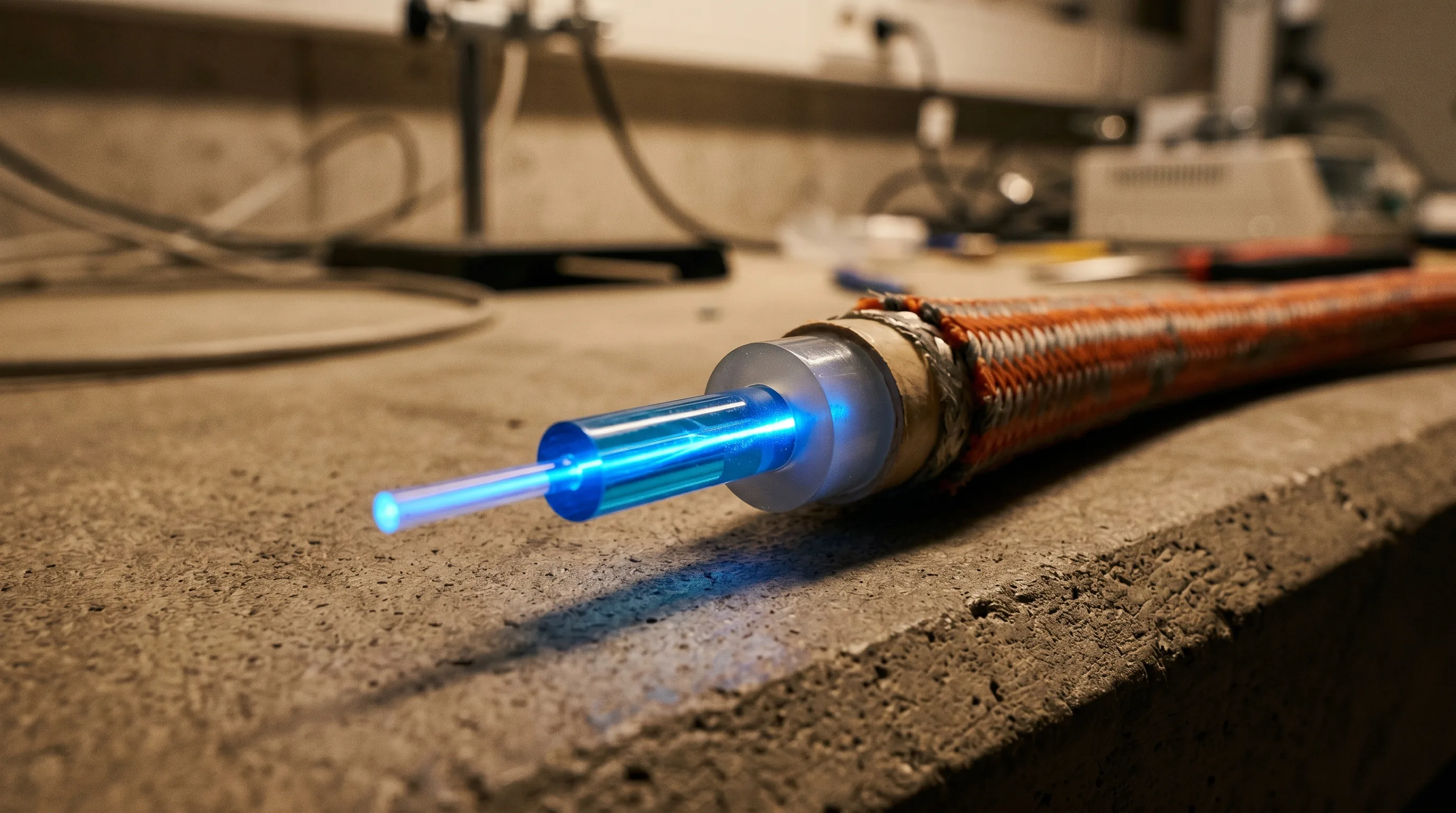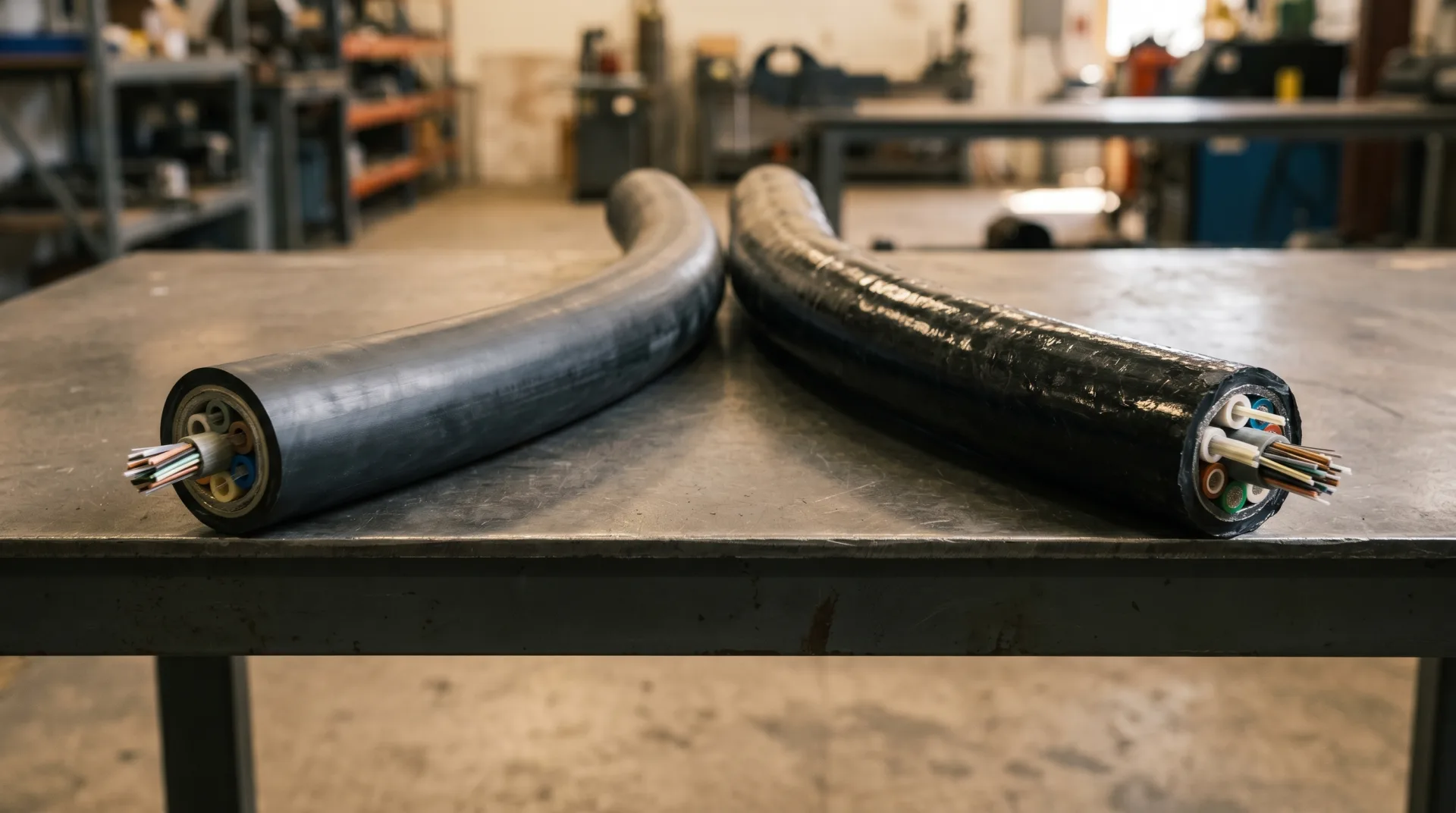
MDPE (0.926–0.940 g/cm³) vs HDPE (0.941–0.965 g/cm³) fiber optic cable jackets: molecular structure, mechanical behavior, UV and chemical resistance, and when to pick each one.
Read articlePractical, field-tested writing on dB loss, optical splitters, OM multimode fibers, FTTH/FTTx deployments, and cable fundamentals — written for the network engineers, ISP planners, and data-center integrators we supply every day.
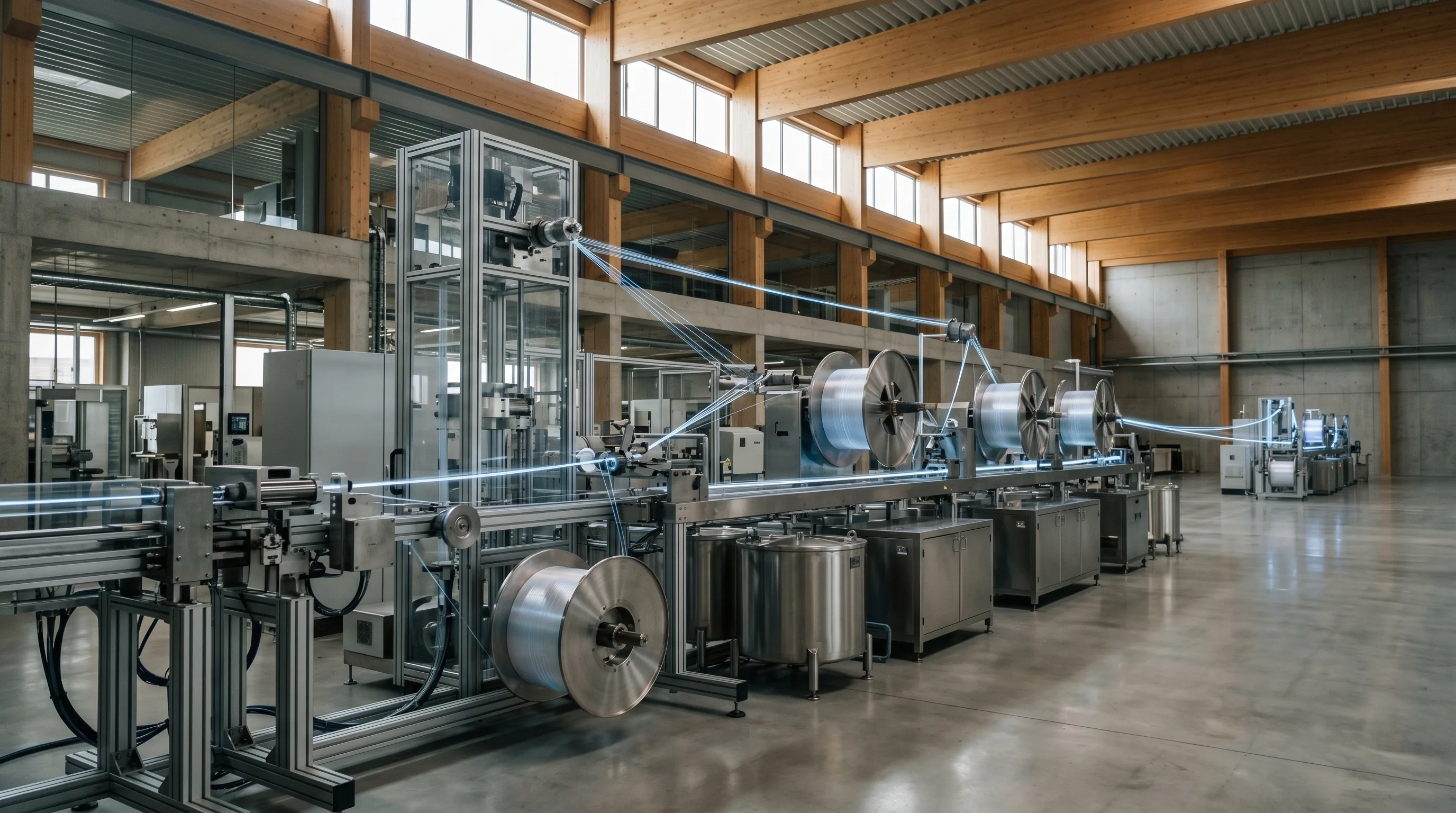
MDPE (0.926–0.940 g/cm³) vs HDPE (0.941–0.965 g/cm³) fiber optic cable jackets: molecular structure, mechanical behavior, UV and chemical resistance, and when to pick each one.
Read article
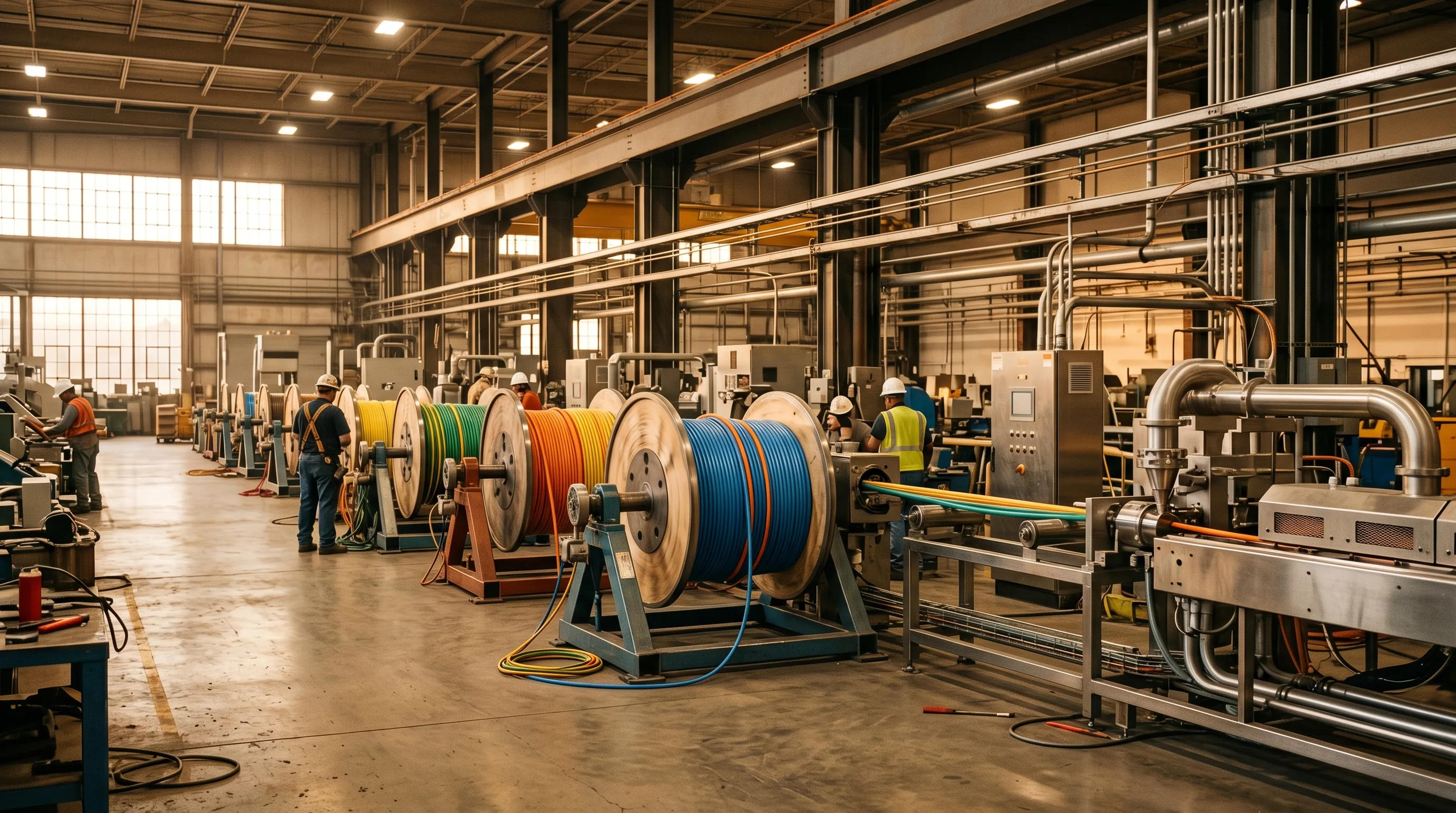
A 2026 ranking of the top 15 fiber optic cable companies in Europe — Prysmian, Nexans, Nokia, Leoni, Acome, Hexatronic and more — with technology, markets, and hot-sale products for each brand.
Read article
The definitive 2026 list of the top 15 fiber optic cable companies in the USA — from Corning and CommScope to Clearfield, with specs, flagship products, and the markets each one dominates.
Read article
An authoritative 2026 guide to the top 15 fiber optic manufacturers — from Corning and Prysmian to Fujikura and LS Cable — with headquarters, tech focus, and flagship products.
Read article
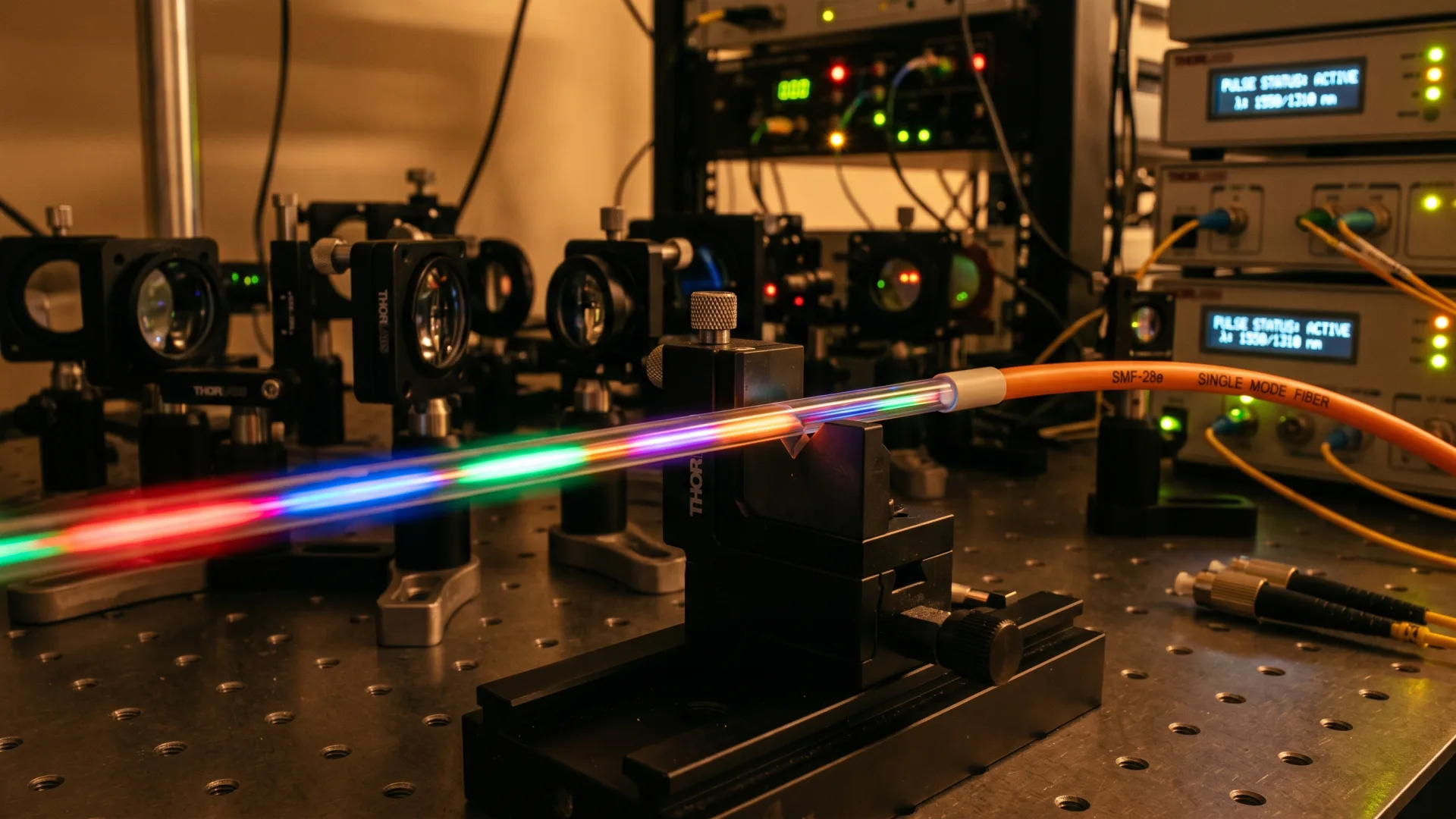
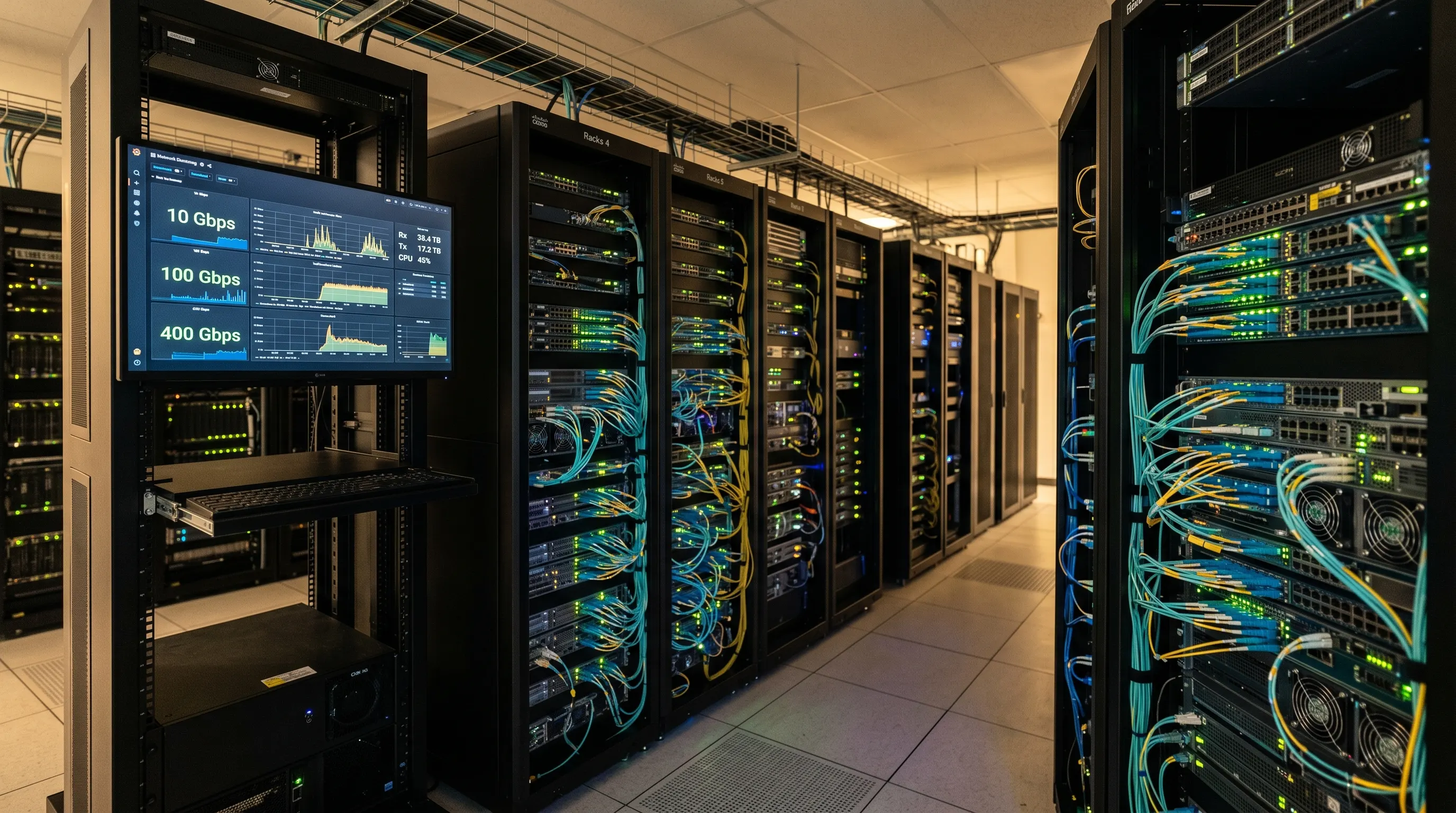
The physics behind high-speed fiber — refractive index profiles, attenuation, chromatic and polarization-mode dispersion, nonlinear effects — that decide whether a fiber runs at 10G or 400G.
Read article
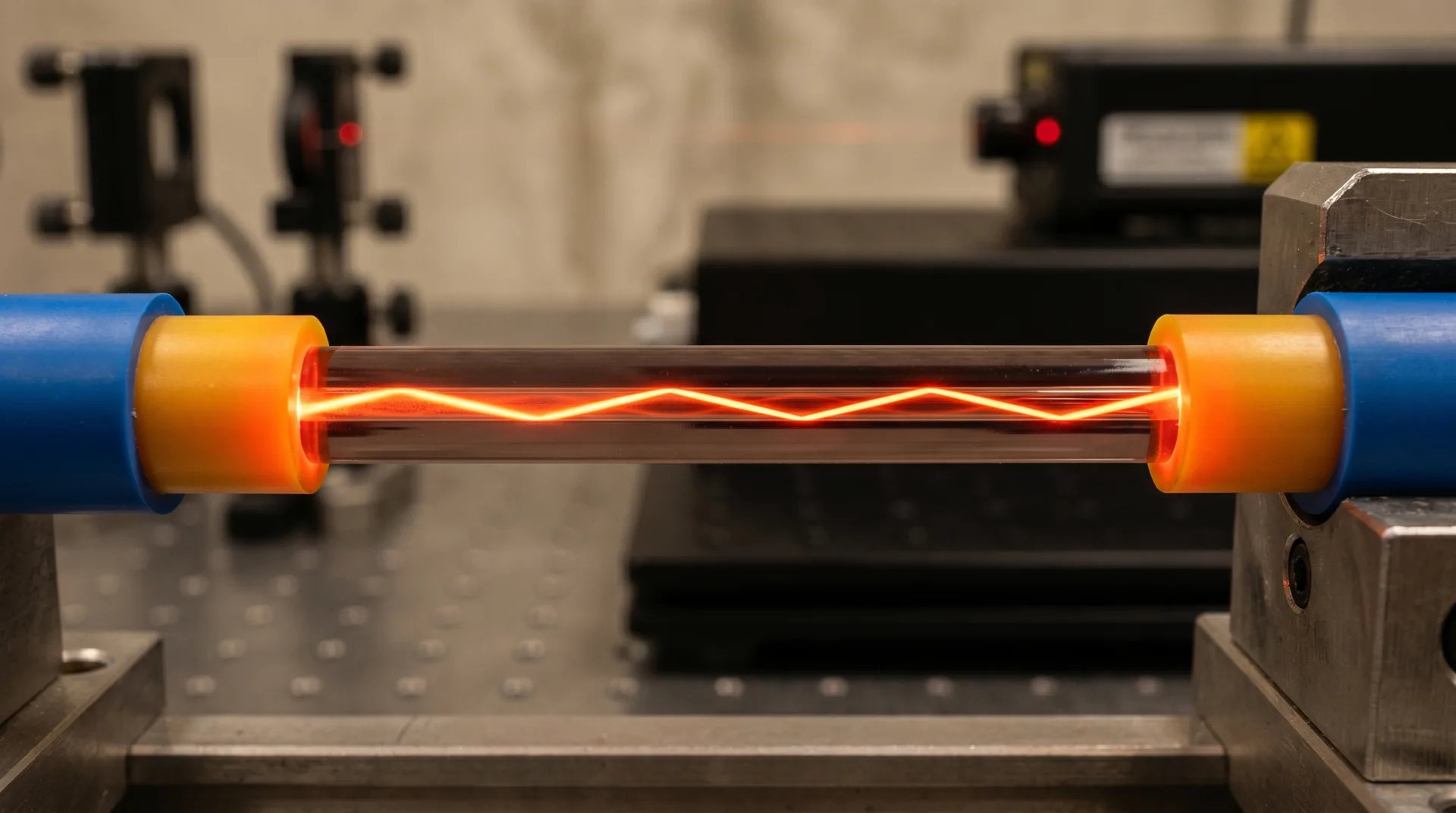
Glass is transparent, yet light stays trapped inside an optical fiber for hundreds of kilometers. The answer is total internal reflection — a whisper of refractive-index difference that turns a thread of silica into a lossless waveguide.
Read article
Light stays in the core through total internal reflection, and travels far because silica is engineered to the edge of physics. A deep look at confinement and preservation.
Read article
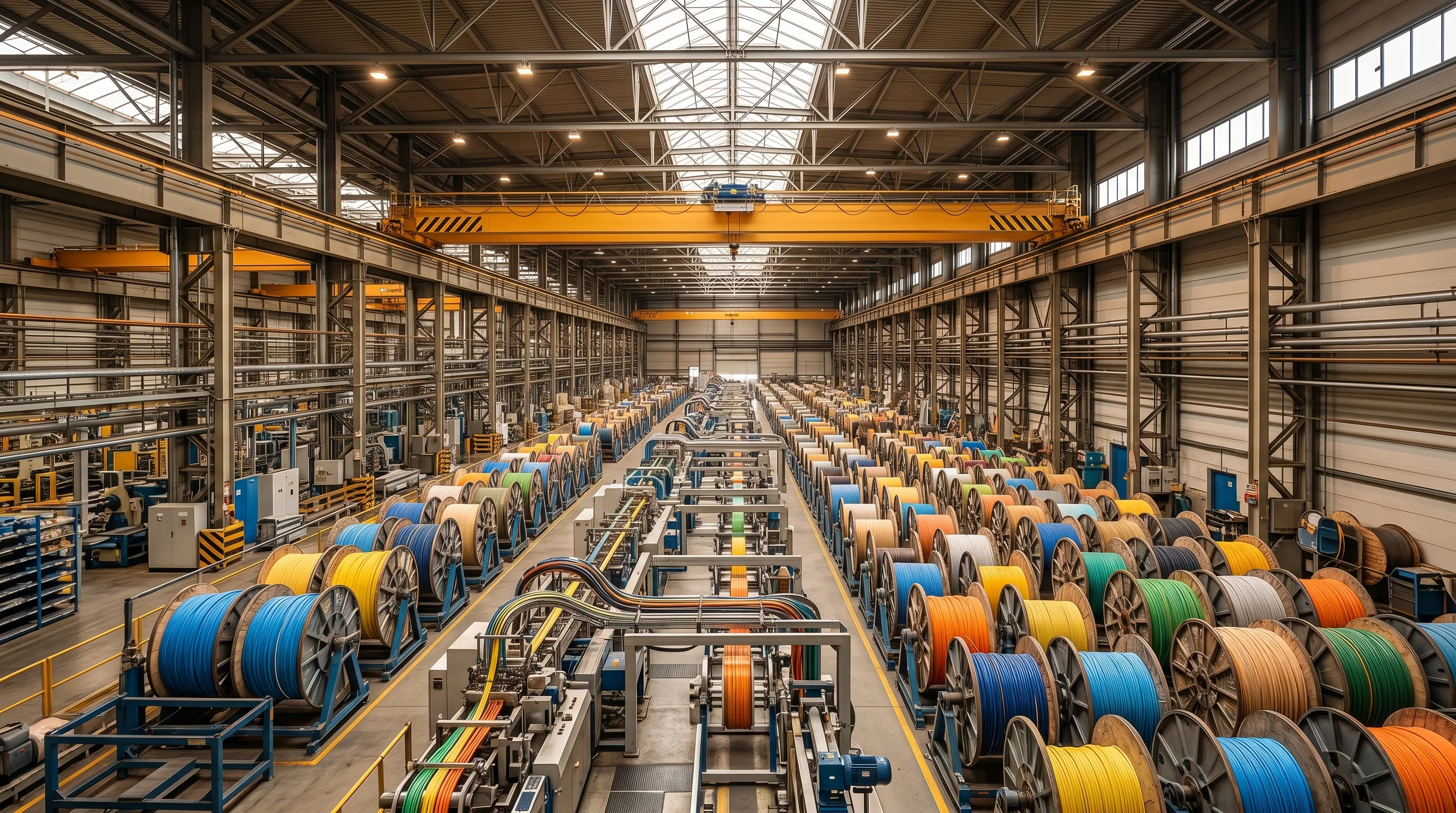
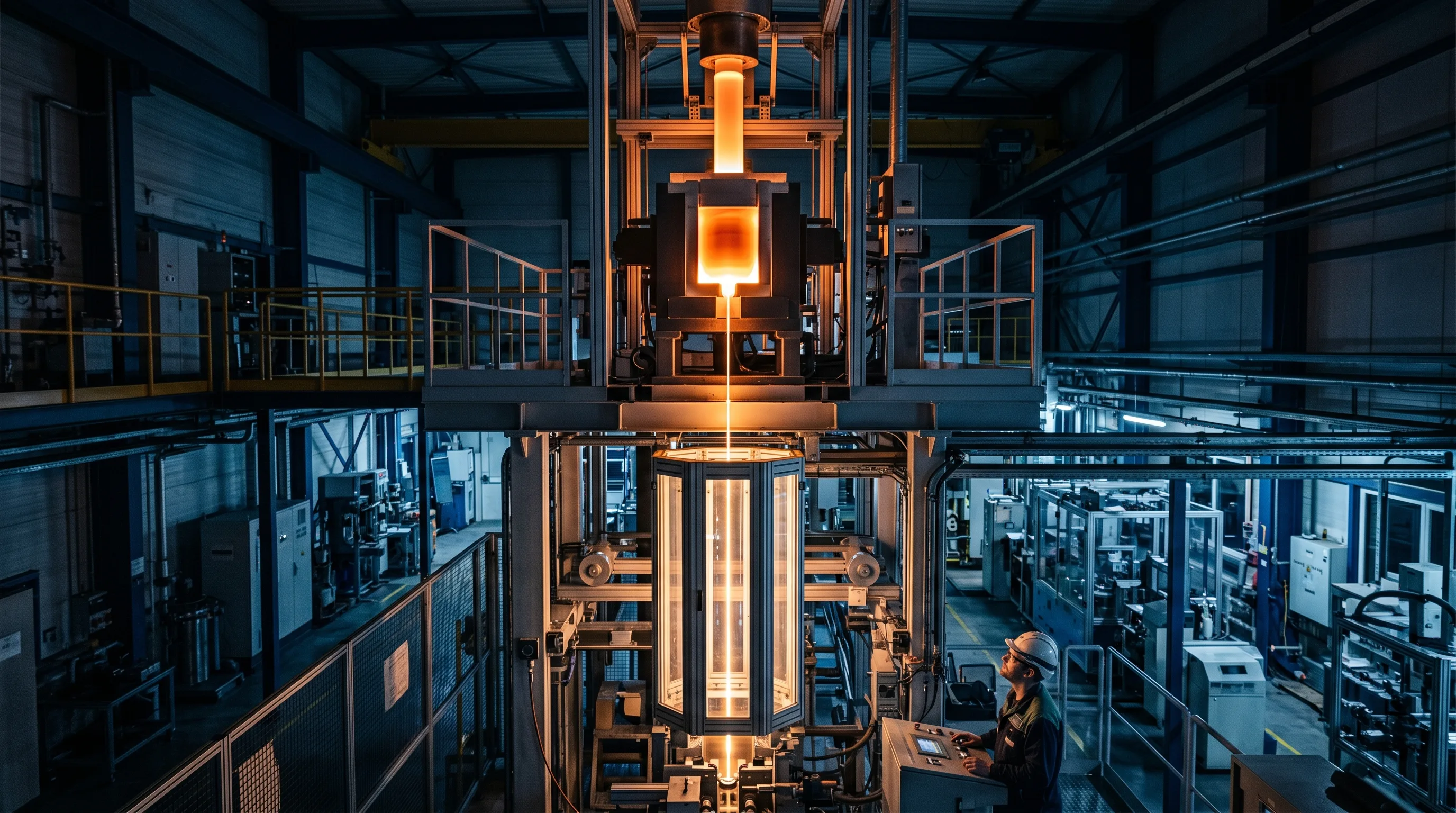
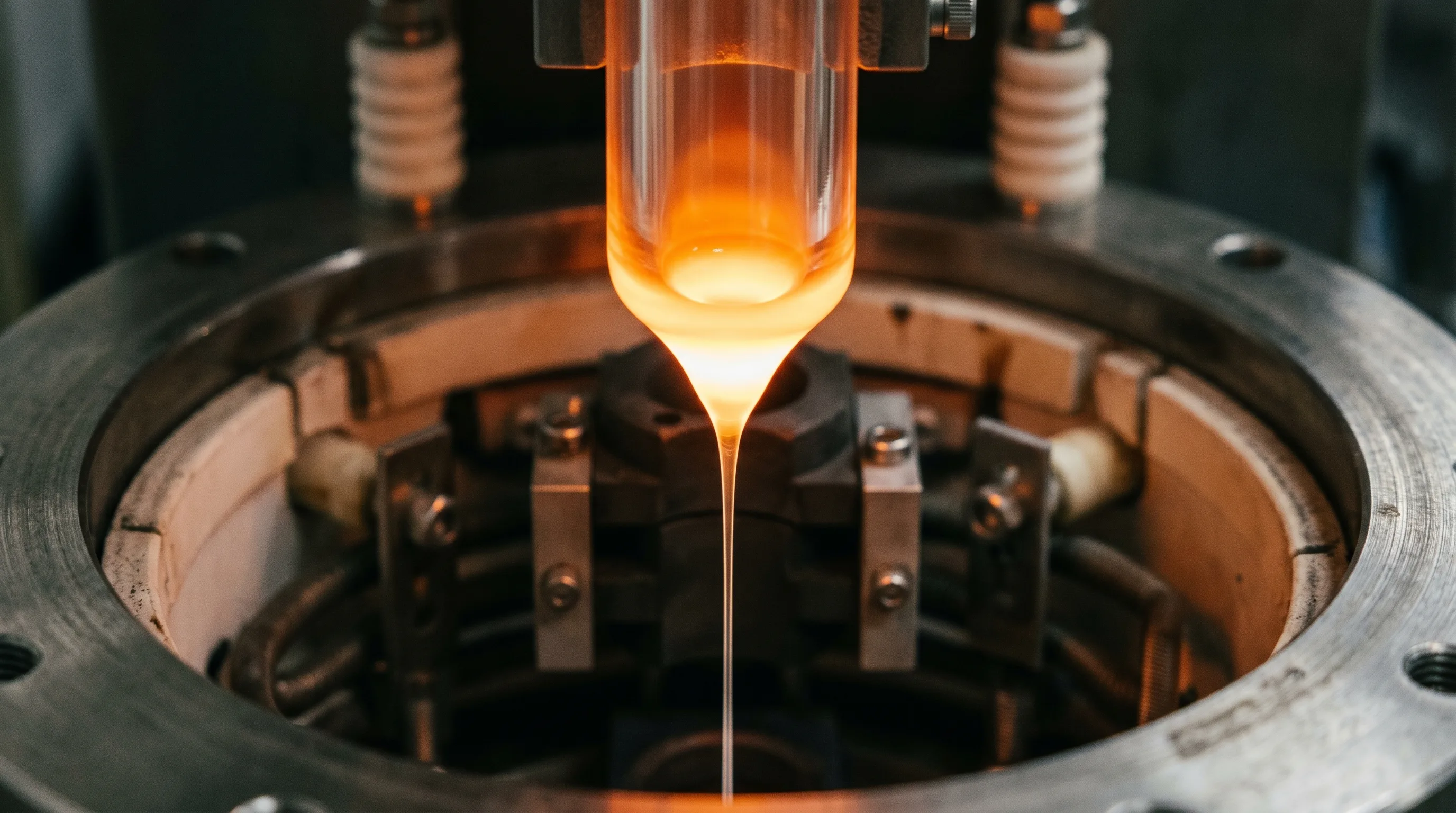
How does common sand become a medium where light travels 100 km with less loss than through a windowpane? Trace the full manufacturing arc — from silica purification and preform deposition to drawing, coating, and testing.
Read article
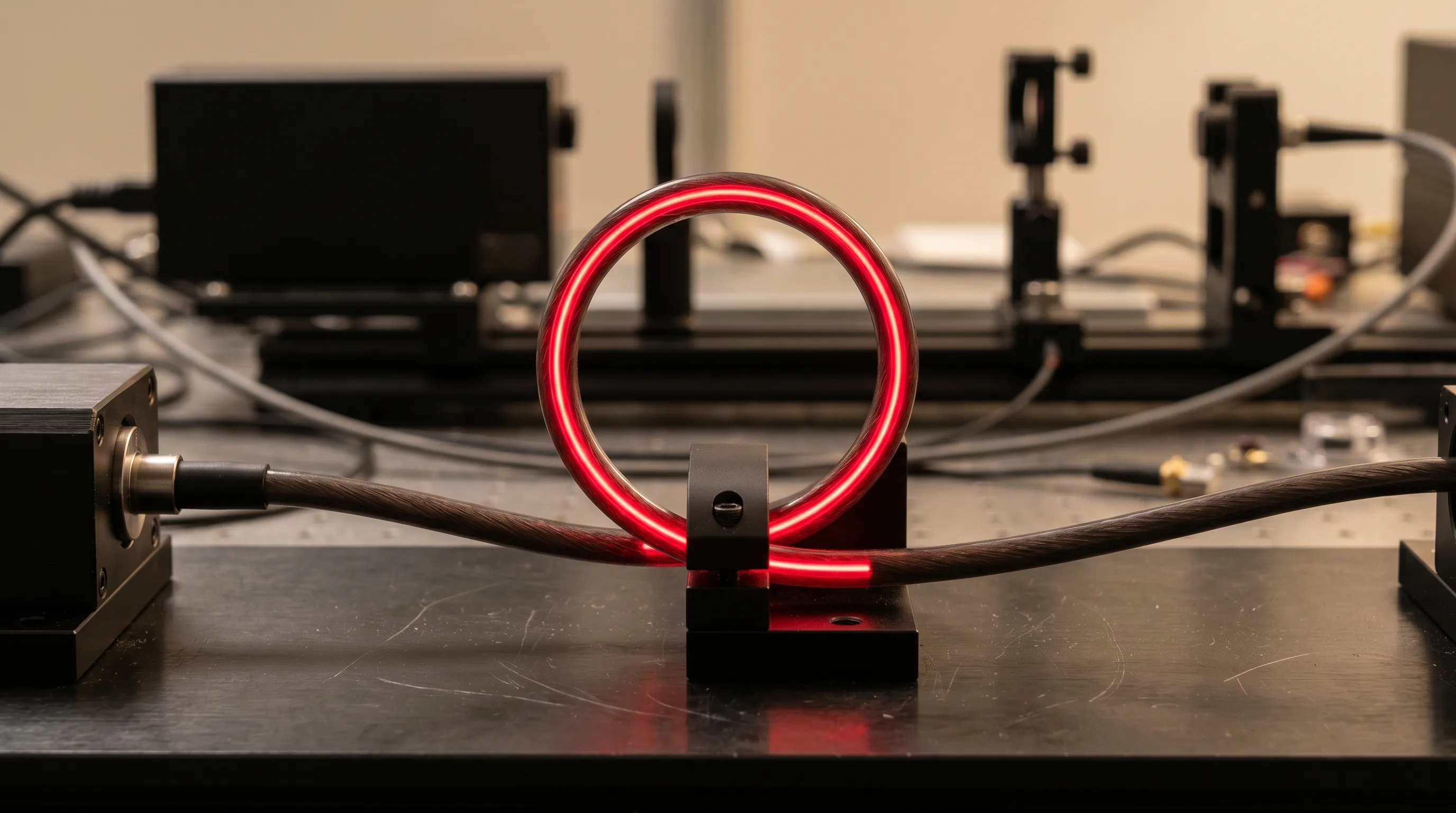
Light in a fiber can be disrupted — not by radio waves, but by bending, material impurities, connectors, temperature, nonlinear effects, and aging. A deep look at what really threatens optical signal integrity.
Read article
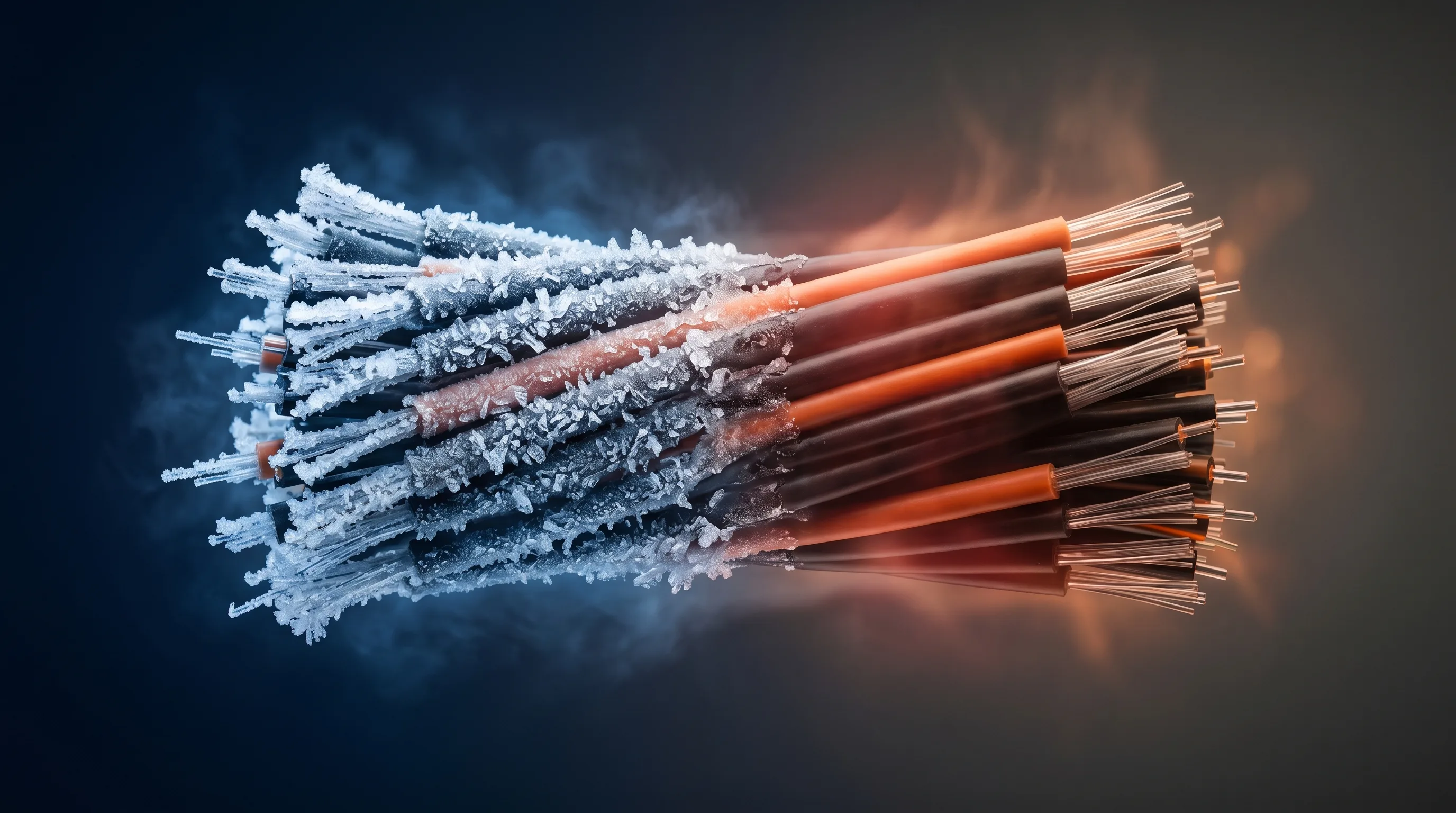
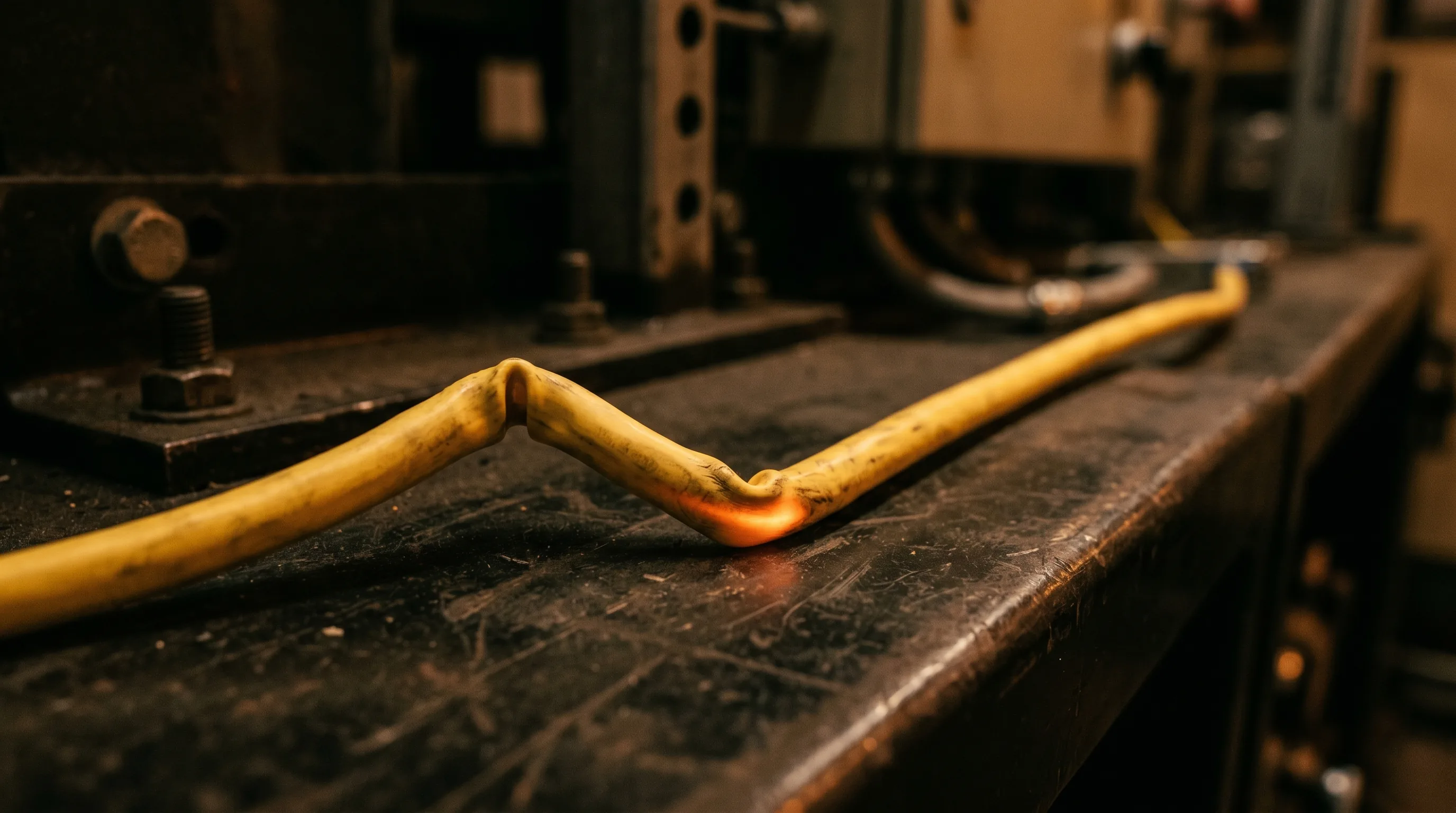
Fiber is remarkably resilient, but temperature changes do impact its performance — through the thermo-optic effect, thermal expansion, microbending, and connector drift. Here is the engineering view.
Read article
From modulation and WDM to Shannon limits and DSP — a deep dive into what really sets the fiber optic data rate and how close we are to the physical ceiling of light.
Read article
Fiber optics are immune to EMI and RFI, but not invincible. Learn what actually disrupts a fiber link — bends, dust, breaks, and edge-device failures.
Read article
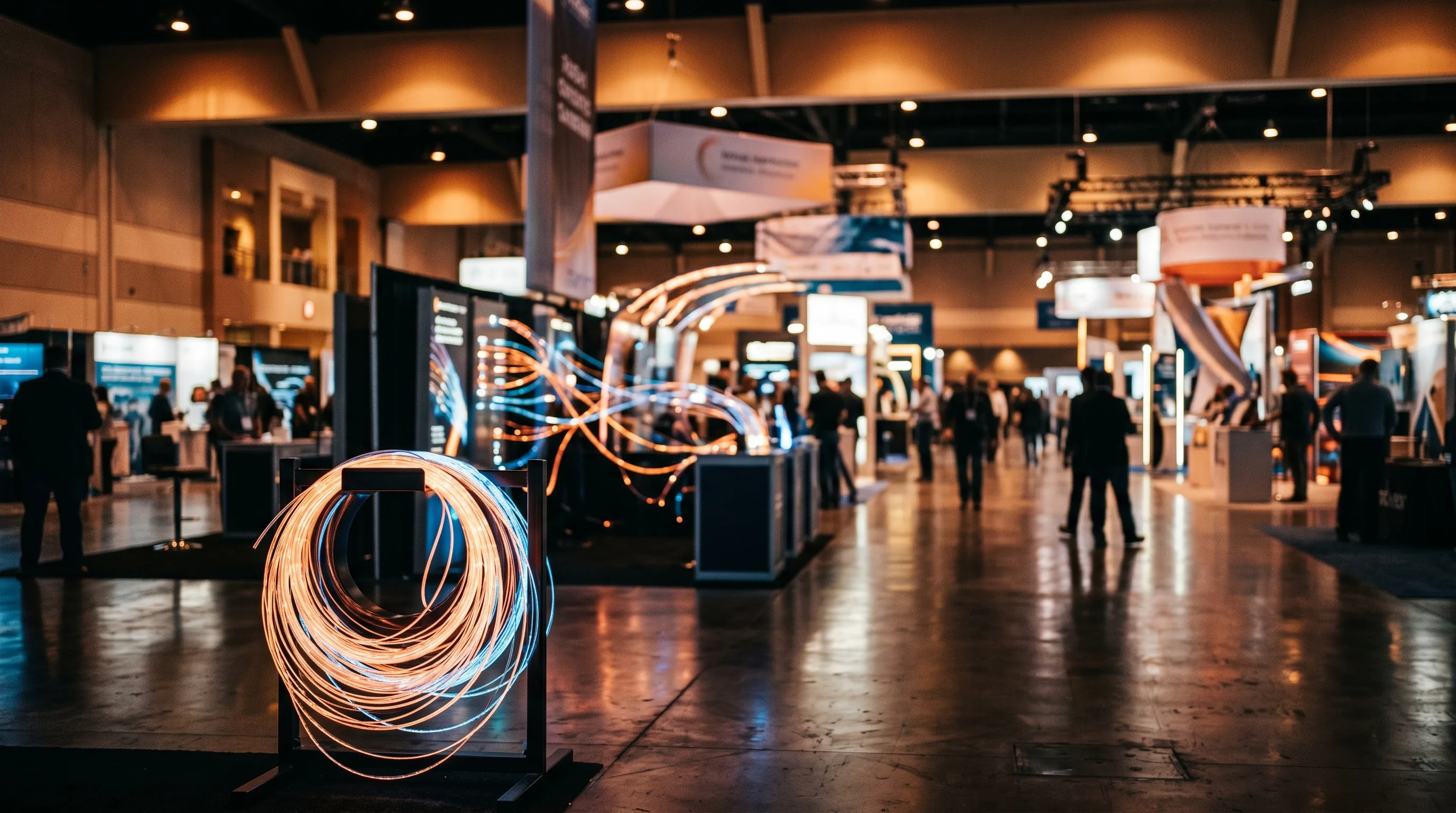
A practical guide to the 10 U.S. fiber optic expos and broadband trade shows every fiber cable company should consider in 2025 — dates, venues, audiences, and why they matter.
Read article
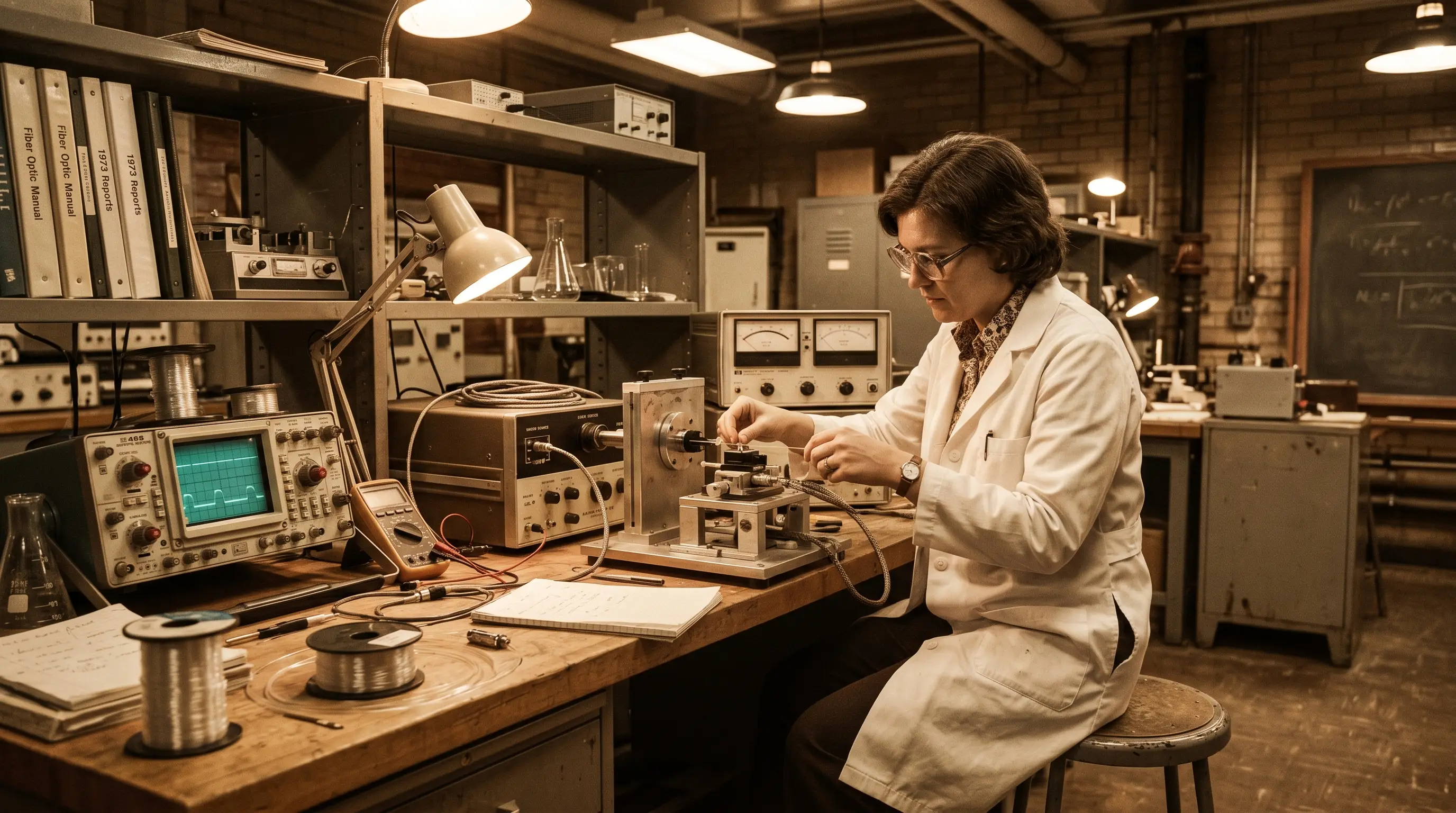
Trace the history of low-loss optical fiber — from Colladon's 1841 light-in-water demo and Tyndall's total internal reflection to Charles Kao's 1966 insight and Corning's 1970 fiber.
Read article
The silica, dopants and trace impurities behind high-performance fiber-optic glass — why SiO₂, GeO₂, P₂O₅, B₂O₃ and fluorine matter, and how CVD/MCVD/VAD/OVD turn them into ultra-pure preforms.
Read articleTTI Fiber manufactures patch cords, cables, splitters, and FTTH hardware in Shenzhen with ISO 9001/14001 quality systems. Request a factory-direct quote or sample for your next project.
Tell us what you’re building — we’ll recommend the right fiber components and provide a fast, accurate quote.
Get Free Quote