Fiber Optic Media ConverterFiber-to-Ethernet Bridge
Extend Ethernet over fiber — standalone and rack-mount models in Fast Ethernet and Gigabit speeds.
Overview
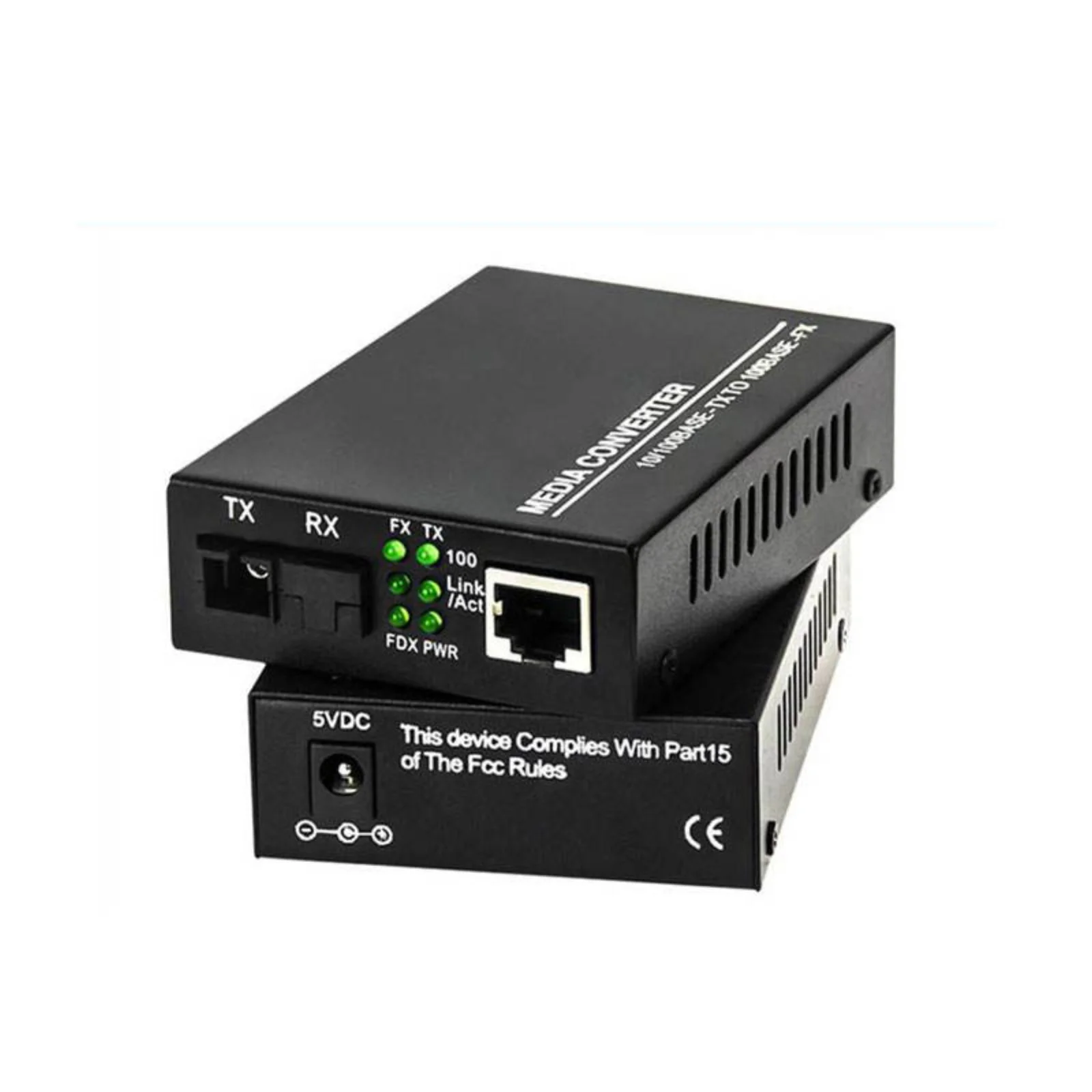
A fiber optic media converter bridges fiber and copper networks, letting you extend Ethernet connectivity far beyond the 100-meter copper limit. Whether you need to connect a remote building across campus, link a security camera 20 km away, or integrate legacy copper switches into a modern fiber backbone, a media converter delivers the translation transparently and at wire speed.
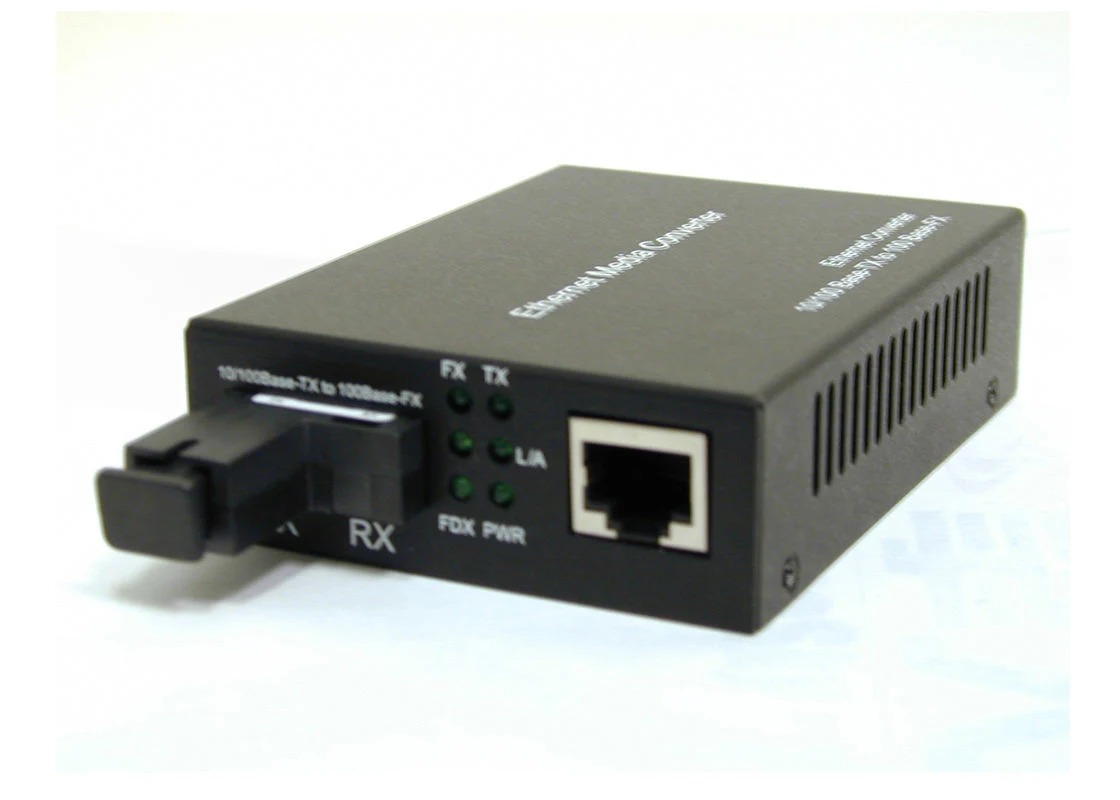
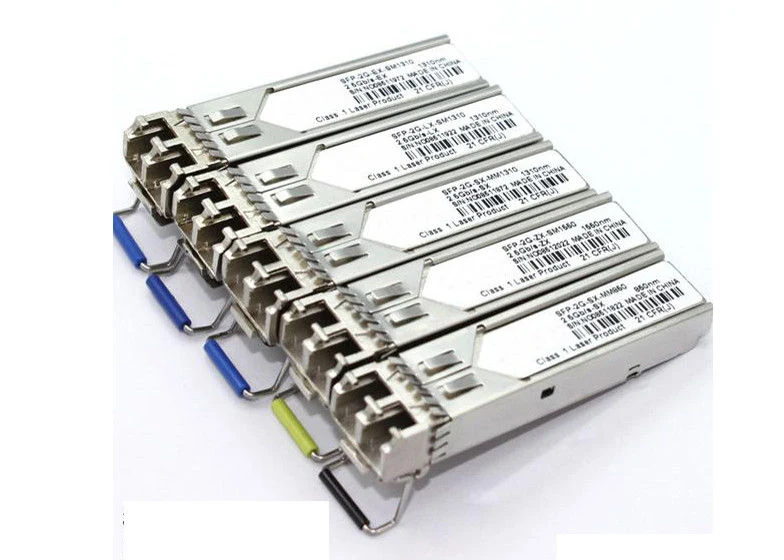
TTI Fiber offers standalone and rack-mount media converters in two speed classes. Our 10/100 Mbps Fast Ethernet models support single-mode (up to 120 km) or multimode (up to 2 km), in single-fiber (WDM/BiDi) or dual-fiber configurations. Our Gigabit models support 10/100/1000 Mbps auto-negotiation, accept hot-swappable SFP modules, and include DDM (Digital Diagnostic Monitoring) for real-time link health.
For centralized deployments, our 14-slot and 16-slot rack-mount chassis houses multiple converter cards with redundant power — ideal for ISP aggregation nodes and enterprise network rooms. Every fiber optic media converter is factory-tested and ships with universal power (100–240 V AC). OEM and ODM customization is available.
2 products available
Why Choose TTI Fiber Fiber Optic Media Converter
Up to 120 km Reach
Single-mode converters support fiber links up to 120 km, far exceeding the 100-meter copper Ethernet limit for campus and inter-building connections.
Hot-Swappable SFP Slots
Gigabit models accept standard SFP modules for maximum flexibility — change fiber type, wavelength, or distance without replacing the converter.
DDM Link Monitoring
Digital Diagnostic Monitoring provides real-time visibility into optical power, temperature, and link health for proactive network management.
Rack-Mount Chassis Option
14/16-slot chassis with redundant power supplies centralizes multiple converter cards into a single 19-inch rack unit for large-scale deployments.
Frequently Asked Questions
Dual-fiber converters use one fiber for transmit and another for receive (standard approach). Single-fiber (WDM/BiDi) converters use wavelength-division multiplexing to transmit and receive on a single fiber strand, saving 50% on fiber usage — but must be deployed in matched A/B pairs with complementary wavelengths.
Yes. Our rack-mount chassis accepts both 10/100M and Gigabit converter cards in any slot combination, so you can mix speeds based on your network requirements.
Media converters operate at Layer 1 (physical layer) and introduce negligible latency — typically less than 5 microseconds per conversion. They are transparent to higher-layer protocols.
DDM (Digital Diagnostic Monitoring) reports real-time optical power, temperature, and bias current of the SFP transceiver. It is valuable for proactive monitoring in mission-critical links but not required for basic connectivity.

Why TTI Fiber
Trusted Manufacturer Since 2013
TTI Fiber is a professional fiber optic manufacturer based in Shenzhen, China. We provide full OEM/ODM services with factory-direct pricing and dedicated engineering support.
Need Help Choosing the Right Fiber Optic Media Converter?
Our engineering team can recommend the best product for your application. Share your project requirements and get a detailed quote within 24 hours.
