Differences Between Tight-Buffered and Loose-Tube Fiber Optic Cables
Fiber optic cables are primarily available in two main constructions: tight buffered and loose tube. Each type offers distinct advantages suited to specific applications, along with certain limitations and variations in cost. Here TTI Fiber examines the construction differences between tight buffered and loose tube fiber optic cables, focusing on their impact on cost, handling, and suitable applications. For a broader view of what can physically disrupt a fiber link once it is installed, see our companion article on what can interfere with fiber optic internet.
What is Tight Buffered Fibre?
Tight buffered fiber optic cables are designed with aramid yarn, such as Kevlar, wrapped around the fiber core. This construction features a two-layer design where an outer acrylate coating closely encases the silica fiber core, providing protection to both the core and the cladding.
Typically, these cables are built with 900 µm buffered fiber cores, offering a strength comparable to traditional fiber patch leads. The tight buffer adds significant structural integrity to the cable, minimizing the risk of damage to the fiber core during installation and thereby enhancing the overall lifespan of the cable.
Additionally, the tight buffer improves cable attenuation and offers superior protection for the fiber core when the cable is bent. This makes tight buffered cables particularly well-suited for installations requiring a tight bend radius.
Tight buffered fiber optic cables are available in configurations ranging from 2 to 144, and even up to 288 fibers, making them versatile for various applications that demand robust performance and durability.
The Key Benefits of Tight Buffered Cable
Tight-buffered fiber optic cables offer numerous advantages, making them highly suitable for various applications, particularly in indoor and controlled environments.
- Enhanced Fiber Protection: The tightly adhered buffer layer provides superior protection to individual optical fibers, effectively guarding against physical damage, bending, and mechanical stress. This added protection helps maintain the integrity of the fibers, ensuring reliable performance over time.
- Simplified Termination Process: Tight-buffered cables are easier to terminate than loose tube cables, streamlining the installation process. This ease of handling reduces the risk of fiber damage during termination and connection, making these cables ideal for quick and efficient setups.
- Compact and Space-Efficient Design: The tight-buffered construction results in a more compact cable, ideal for installations in restricted spaces or when routing through tight, crowded areas. This design is particularly advantageous in complex network environments where space conservation is essential.
- High Fiber Density: Tight-buffered cables can accommodate a high fiber count within a relatively small diameter, making them perfect for applications requiring a large number of fibers in confined spaces. This high-density feature supports robust networking capabilities without compromising space.
- Optimized for Indoor Use: These cables are specifically designed for indoor and controlled environments, where they can provide consistent performance over extended periods. Their construction makes them well-suited for applications in office buildings, data centers, and other indoor settings.
- Flame-Retardant and Low-Smoke Properties: Many tight-buffered cables are manufactured using flame-retardant and low-smoke materials, enhancing safety in case of fire. This makes them a preferred choice for environments where fire safety is a priority, such as public buildings and enclosed spaces.
- Protection Against Electromagnetic Interference (EMI): The tight buffer offers a degree of protection against electromagnetic interference, which helps maintain signal integrity and reduces the potential for data loss or corruption in EMI-prone environments.
- Versatile Configurations: Tight-buffered cables are available in various configurations, including simplex, duplex, and multi-fiber designs, providing flexibility to meet specific networking and connectivity requirements. This customization allows for tailored solutions in diverse applications.
- Consistent and Reliable Performance: These cables deliver dependable performance with high data integrity and signal quality, which is critical in applications where uninterrupted and accurate data transmission is essential, such as telecommunications and data networks.
What is Loose Tube Fibre?
Unlike tight buffered fiber cables, which feature two layers of aramid yarn — one surrounding the fiber core and an additional outer layer — loose tube fiber cables have a single outer protective layer designed to shield the fibers.
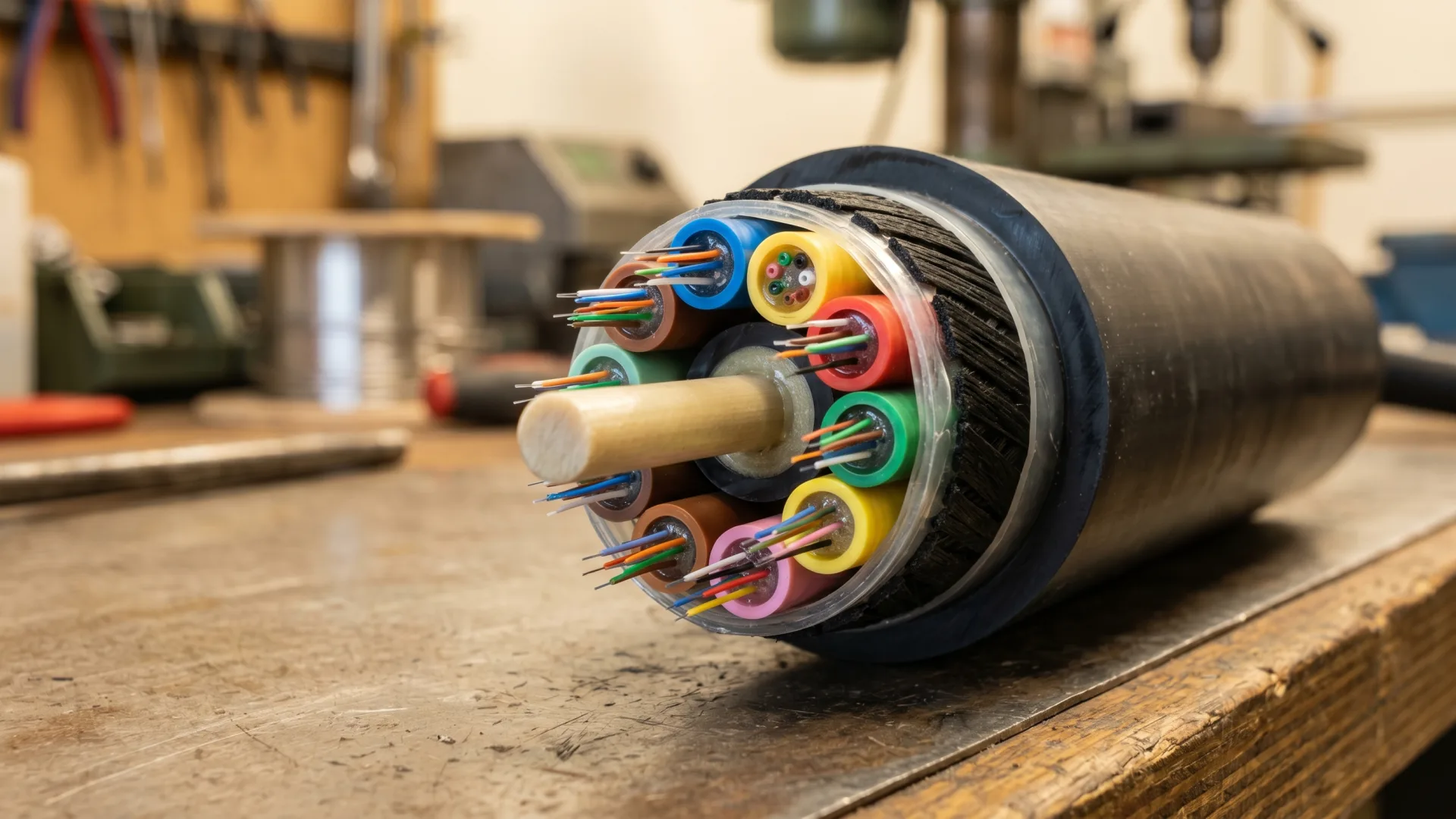
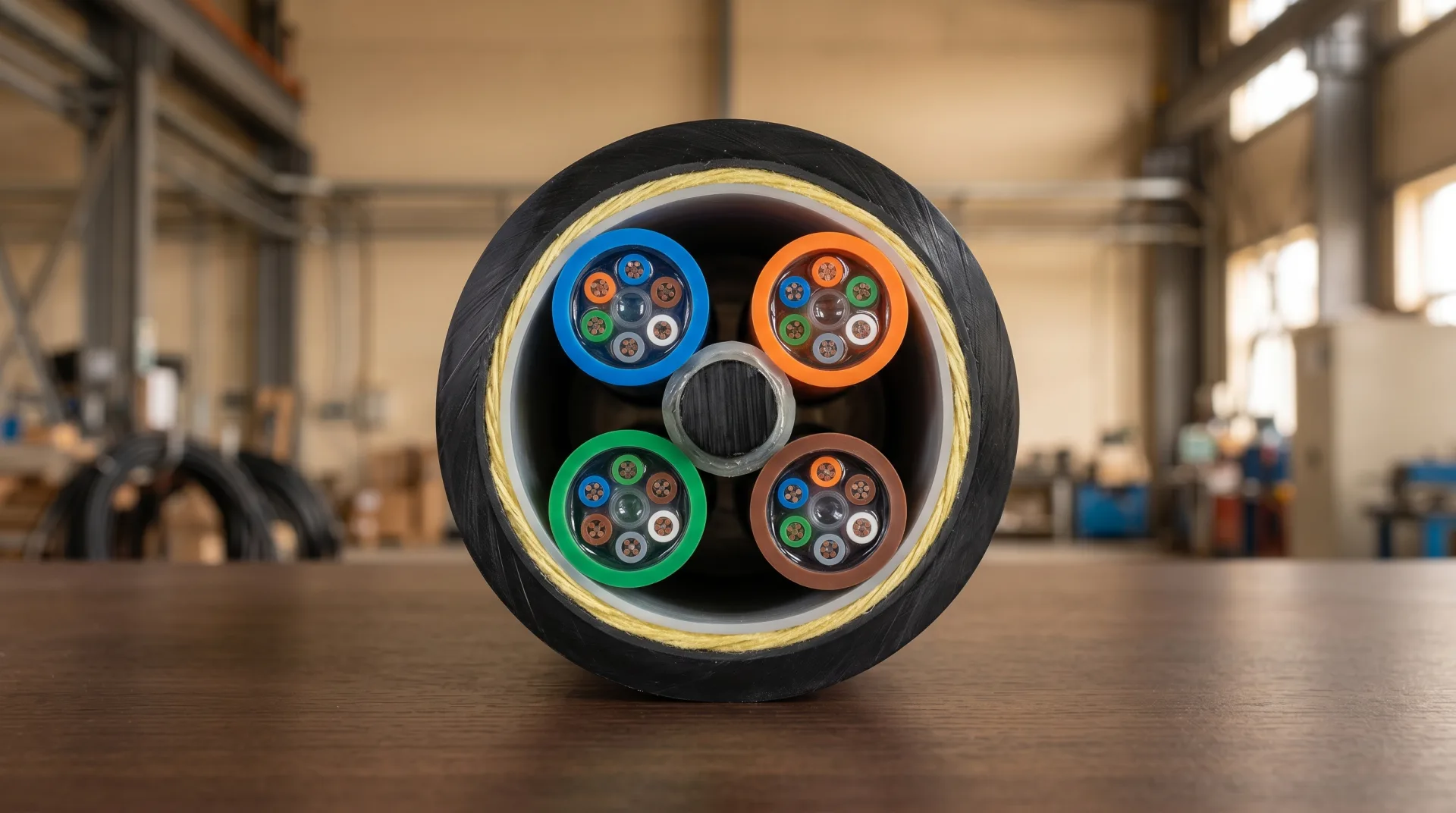
Loose tube fiber cables are composed of multiple 250 µm fiber cores and are available in two configurations: gel-filled and dry. Both constructions offer protection against water ingress, but each utilizes different mechanisms. In gel-filled loose tube cables, a thixotropic gel surrounds the fiber cores, providing moisture resistance and an additional layer of protection, all encased within an outer jacket.
Dry loose tube cables, on the other hand, achieve water resistance through a specially engineered internal protective layer, eliminating the need for gel. This design simplifies handling and reduces cleanup in the event of cable damage.
To enhance durability, the outer tube of loose tube fiber cables can be constructed from more robust or semi-rigid materials, making them suitable for harsher environments or situations where the cable is frequently handled or subjected to physical stress.
These cables typically include a central strength member, often reinforced with aramid yarn, to provide structural support and rigidity. Surrounding the strength member, loose tube cables can house bundles ranging from 2 to 144 or even 288 fibers, making them highly versatile for a wide range of applications, from data centers to telecommunications infrastructure. Outdoor loose-tube designs are also the foundation for most outdoor fiber optic cable families.
Loose-Tube Fiber Optic Cable Types, Construction and Features
| Type | Construction | Features |
|---|---|---|
| GYXTW | Central loose tube, armored | Aerial & Duct, Single Armor, Waterproof |
| GYXTY | Central loose tube, steel wire strength | Aerial, Strength Steel Wire, Central Loose Tube |
| GYFXTY | Central loose tube, non-metallic | Aerial, FRP Strength Member, Lightning-Proof |
| GYFTY | Stranded loose tube, non-metallic | Aerial & Duct, Non-Metallic Stranded Loose Tube |
| GYTA | Stranded loose tube, single armor | Aerial & Duct, Single Armor, Stranded Loose Tube |
| GYFTY53 | Stranded loose tube, double jacket | Direct Burial & Duct, Single Armor, Double Jacket |
| GYTA53 | Stranded loose tube, double armor | Direct Burial & Duct, Double Armor, Double Jacket |
| GYXTC8Y | Central loose tube, figure-8 | Aerial, Central Loose Tube, Figure 8 Self-Supporting |
| GYTC8S | Stranded loose tube, figure-8 | Aerial, Single Armor, Figure 8 Self-Supporting |
Key Pros of Using Loose Tube Cables
- Environmental Protection. Loose tube cables provide protection against factors such as moisture, UV radiation, temperature fluctuations, and physical stress. The individual buffer tubes surrounding each fiber isolate them from one another and provide an extra layer of protection.
- Flexibility. The loose design of the fibers within the buffer tubes allows for greater flexibility. This flexibility makes them easier to handle during installation and minimizes the risk of fiber damage due to bending or twisting.
- High Fiber Count. Loose tube cables are available in configurations with a high fiber count. They are suitable for high-capacity data transmission.
- Thermal Expansion. The loose tube design accommodates thermal expansion and contraction, which is important for outdoor installations where temperature variations can be significant. This helps prevent damage to the fibers over time. For a deeper look at this issue, see how temperature changes really impact fiber performance.
- Tensile Strength. Many loose-tube cables incorporate strength members, such as aramid yarns or fiberglass rods, which enhance their tensile strength. This is particularly important in aerial installations or long-distance deployments.
- Repairability. In the event of damage to a single fiber or buffer tube, it is often easier to access and repair the affected component within a loose tube cable without having to replace the entire cable.
- Suitable for Harsh Environments. Loose tube cables can withstand exposure to extreme weather conditions, chemicals, and physical stress.
- Longevity. Loose tube fiber optic cables have a long service life when properly installed and maintained.
- Versatility. They are suitable for long-haul telecommunications, campus networks, aerial installations, underwater deployments, and duct installations, among others.
- Cost-Effective. The initial cost of loose tube cables can vary depending on factors such as fiber count and specifications. Their long-lasting and robust nature often makes them a cost-effective option over time since they need fewer replacements and maintenance.
Loose-Tube Vs. Tight-Buffered Fibre Optic Cable
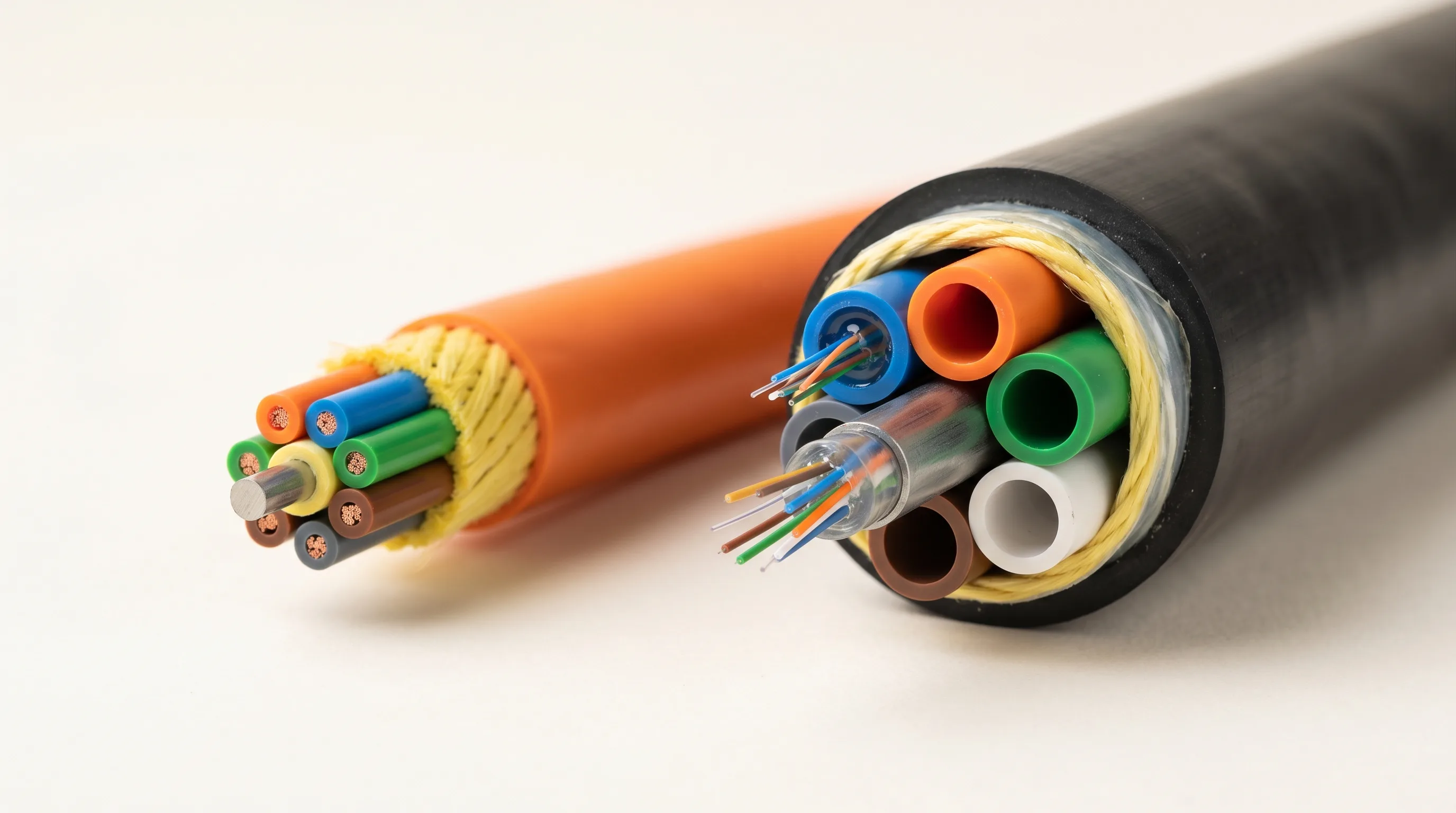
Construction Differences — The primary distinction between tight buffered and loose tube fiber optic cables lies in their structural design. Tight buffered cables feature fibers encased directly within buffer layers, eliminating any gap between the fiber cores, their coating, and the cladding layers. In contrast, loose tube cables encase fibers within a tube, which may either be gel-filled or left dry, allowing the fibers to move freely within the cable.
Applications of Tight-Buffered Fiber Optic Cables — Tight-buffered fiber optic cables are often characterized by a slightly larger overall diameter compared to loose tube cables, depending on the outer protective jacket. These cables are especially well-suited for indoor environments, particularly where space constraints are an issue. The dual protective layers of tight-buffered cables offer inherent protection without the need for additional armor, simplifying installation processes, especially when connecting pre-terminated cables to patch panels. The robust buffered layers provide superior resilience against flexing and bending, which helps to minimize the risk of damage to the fiber core during handling and installation. This makes tight-buffered cables ideal for short to intermediate distances in Local Area Networks (LANs), as well as longer indoor runs where cable flexibility and durability are essential.
Applications of Loose Tube Fiber Optic Cables — Loose tube cables are designed primarily for outdoor applications, where environmental protection is critical. The loose configuration allows for better strain relief and thermal expansion management, making them suitable for harsh conditions. The gel filling, commonly used in these cables, provides an additional layer of moisture and environmental protection, ensuring the fibers remain secure in varying weather conditions.
Cost Considerations — Cost is a significant differentiating factor between tight buffered and loose tube fiber optic cables. While both cable types contain the same fiber cores, tight-buffered cables tend to be more expensive due to the additional materials used in their construction, such as aramid yarn for added strength and durability. Consequently, for the same number of fiber cores, a tight buffered cable generally incurs a higher cost compared to its loose tube counterpart, reflecting the enhanced protective features and handling benefits of tight buffered designs.
For related reading on what degrades the light signal once it is inside the fiber, see can anything actually disrupt the light signal inside fiber. For a broader primer on the chemistry of the glass itself, read raw materials of high-quality optical fiber glass.