24 Strand Single Mode Fiber Advantages and Applications
1. Introduction to Single Mode Fiber
Single Mode Fiber (SMF) is a cornerstone of modern optical communication, renowned for its ability to transmit data over long distances with minimal signal loss. Unlike multimode fiber, which carries multiple light modes, single mode fiber carries a single light mode, allowing for higher bandwidth and lower attenuation. The strand count in fiber optic cables, such as a 24 strand configuration, plays a significant role in determining the cable’s capacity and its applications in various industries. Here TTI Fiber will explores the intricacies of 24 strand single mode fiber, its technical specifications, applications, and why it’s an essential component in today’s networking landscape. For a companion primer on cable construction, see our article on differences between tight-buffered and loose-tube fiber optic cables.
2. A 24 Strand Single Mode Fiber Technical Specifications
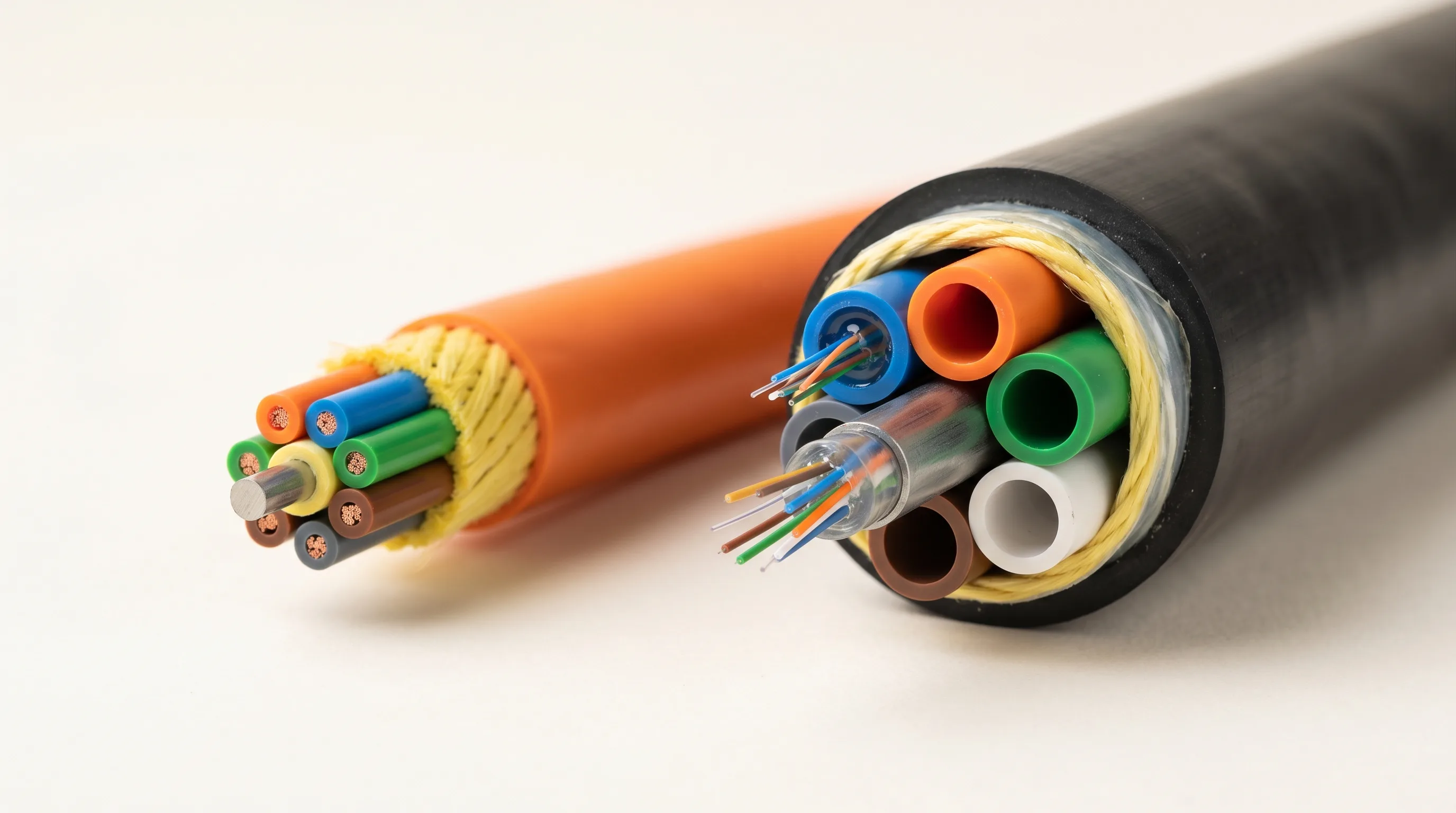
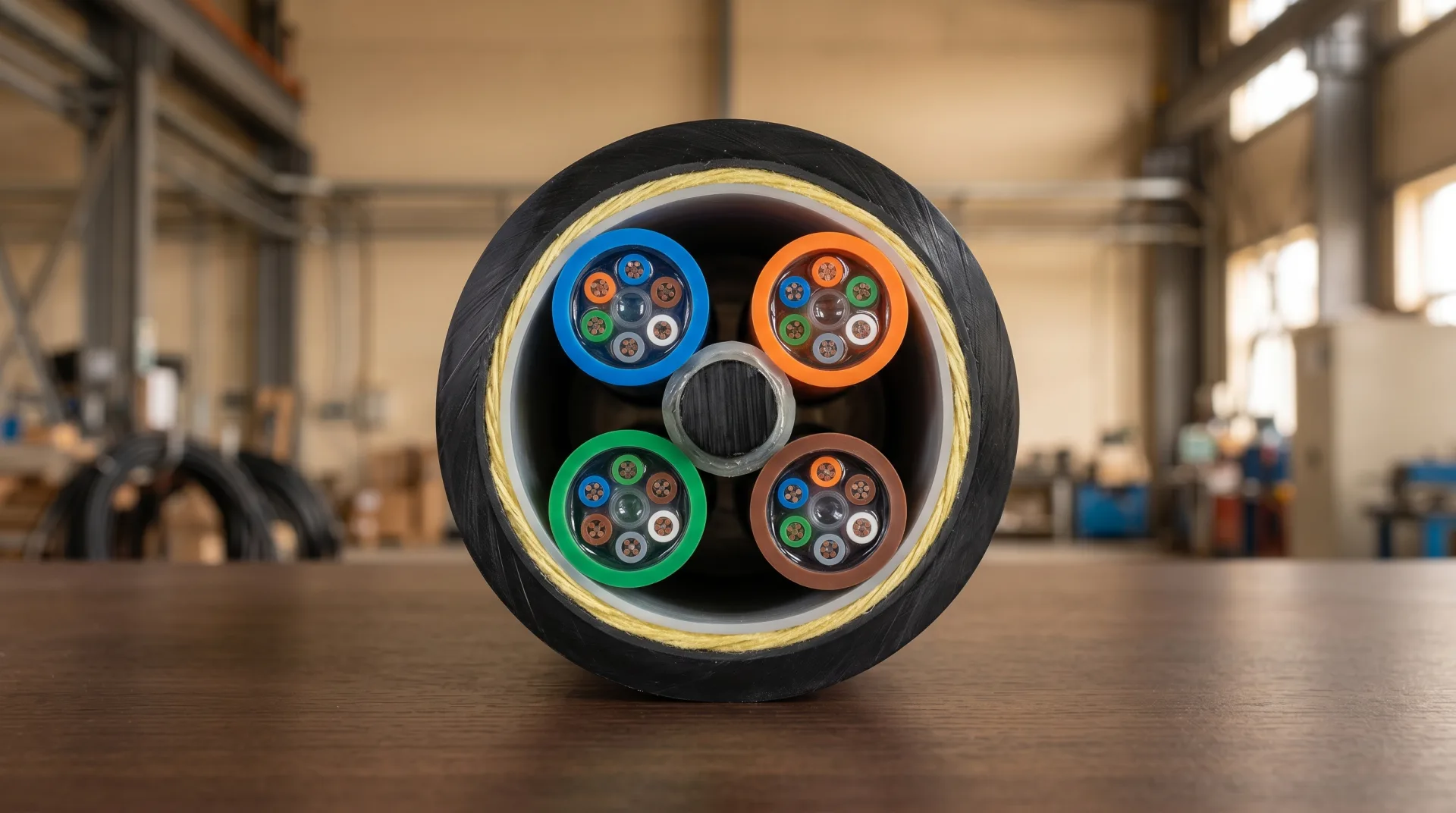
- Fiber Count: A 24 strand single mode fiber refers to a cable that contains 24 individual fibers within a single sheath. Each of these fibers can carry data independently, allowing for high-capacity data transmission. This configuration is ideal for environments that require multiple connections, such as data centers or large enterprise networks.
- Core Diameter: The core diameter of single mode fibers typically ranges from 8 to 10 micrometers. This small core diameter is what enables the fiber to carry a single light mode, reducing modal dispersion and allowing the signal to travel further with less loss.
- Cladding Diameter: The standard cladding diameter for single mode fibers is 125 micrometers. The cladding serves to reflect light back into the core, maintaining the integrity of the signal as it travels through the fiber. The consistency in cladding diameter across different fibers ensures compatibility with connectors and splicing equipment.
3. A 24 Strand Single Mode Fiber Performance Characteristics
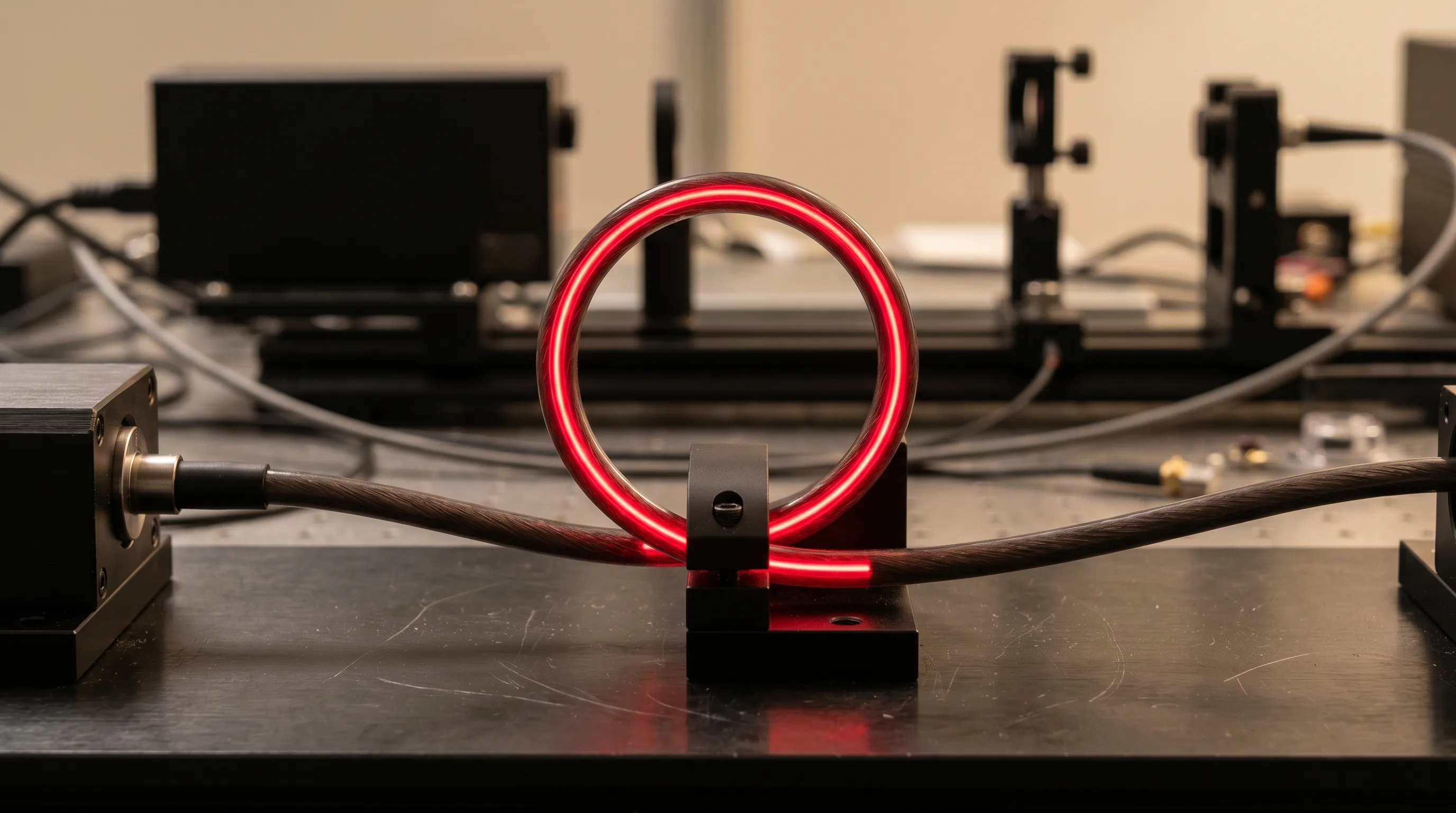
- Low Attenuation: One of the most significant advantages of single mode fiber is its low attenuation, meaning it experiences minimal signal loss over long distances. This characteristic makes it ideal for long-haul communication networks, where maintaining signal strength is crucial.
- High Bandwidth: Single mode fiber offers exceptionally high bandwidth, supporting data transfer rates that are crucial for modern high-speed networks. This capability ensures that large volumes of data can be transmitted quickly and efficiently, making it suitable for applications that demand high data throughput.
- Minimal Dispersion: Dispersion refers to the spreading of light pulses as they travel down the fiber, which can lead to signal degradation. Single mode fiber minimizes dispersion, ensuring that the signal remains clear and intact even over extended distances. This attribute is essential for maintaining the quality of data transmission in high-performance networks.
4. Applications of 24 Strand Single Mode Fiber
- Telecommunications: 24 strand single mode fiber is widely used in telecommunications, particularly in backbone and trunk line networks that require reliable long-distance data transmission. Its ability to carry large amounts of data with minimal loss makes it an excellent choice for telecom companies that need to ensure consistent and high-quality service.
- Data Centers: In data centers, high-density fiber optic connections are essential for managing the vast amounts of data traffic. A 24 strand single mode fiber provides the necessary capacity and performance, allowing for efficient data handling and quick response times in these high-demand environments.
- Enterprise Networks: Large-scale enterprise networks benefit from the use of 24 strand single mode fiber due to its scalability and ability to handle multiple connections simultaneously. Whether for intra-building connectivity or campus-wide network infrastructure, this fiber type offers the flexibility and performance required to support complex network demands.
5. Installation and Deployment
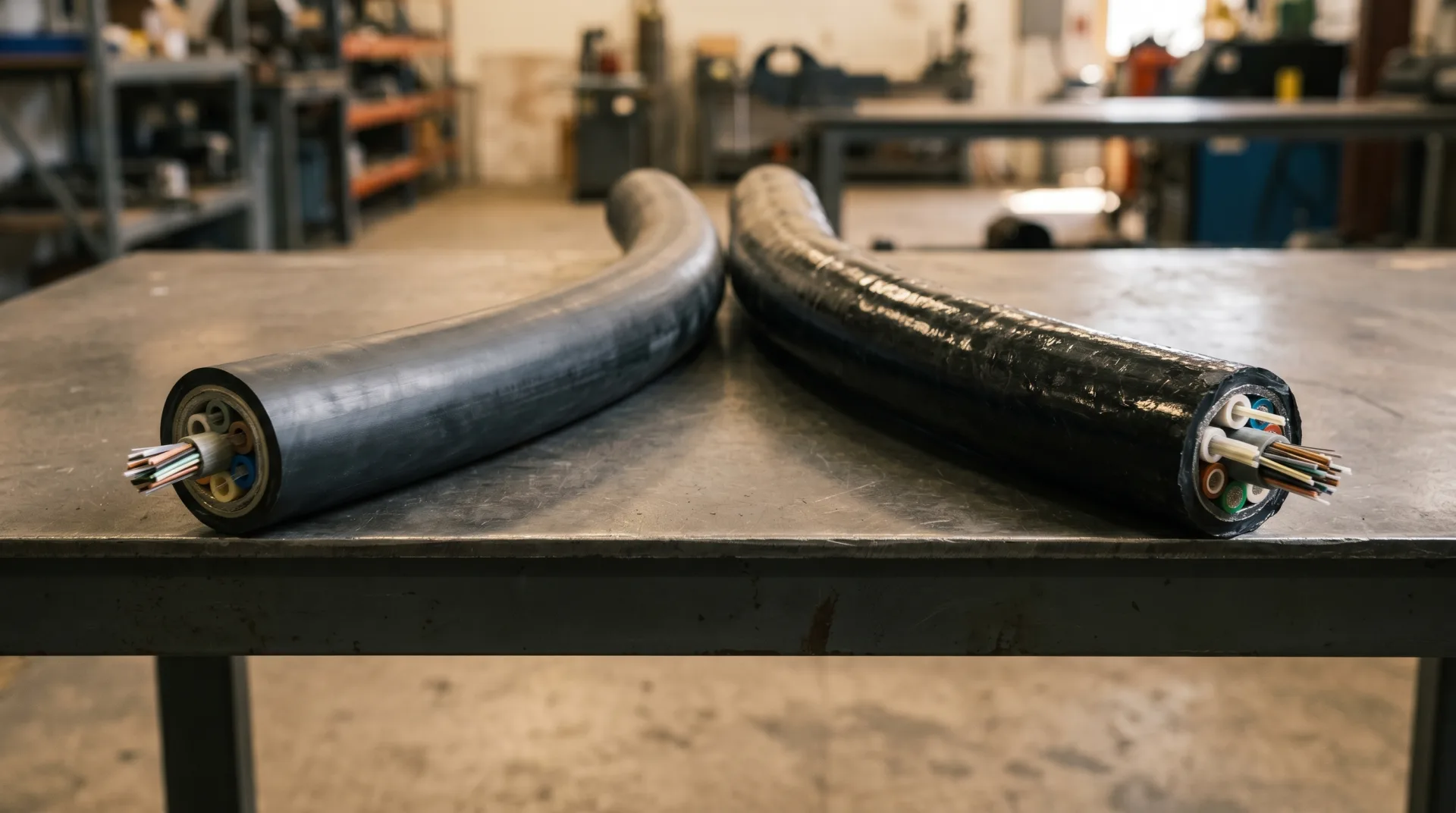
- Cable Management: Effective cable management is critical when deploying 24 strand single mode fibers. Proper routing and securing of the cables not only protect the fibers from damage but also ensure easy access for maintenance and upgrades. The compact design of 24 strand cables allows for efficient use of space in cable trays and conduits.
- Compatibility with Connectors: Single mode fibers are typically terminated with connectors such as LC (Lucent Connector) or SC (Subscriber Connector). These connectors are designed to ensure precise alignment of the fiber cores, which is essential for minimizing signal loss. The 24 strand configuration allows for the use of multi-fiber connectors like MTP/MPO, which simplify connections in high-density environments.
- Splicing and Termination: Splicing and terminating a 24 strand single mode fiber require precision and specialized equipment. Fusion splicing is commonly used to join fibers with minimal loss, while careful termination ensures that each fiber is properly connected to its respective port or connector. Skilled technicians and quality equipment are essential for ensuring reliable and efficient fiber optic installations.
6. Advantages Over Multimode Fiber
- Distance Capability: Single mode fiber significantly outperforms multimode fiber in terms of distance capability. While multimode fiber is suitable for shorter distances due to higher modal dispersion, single mode fiber can transmit data over tens or even hundreds of kilometers without the need for signal boosters. This makes it ideal for applications where long-distance transmission is required. For the multimode reach comparison, see how far can OM4 multimode fiber transmit.
- Cost vs. Performance: Although single mode fiber can be more expensive than multimode fiber, the investment is justified by its superior performance, especially in applications requiring high bandwidth and long-distance communication. The lower attenuation and minimal dispersion of single mode fiber translate into lower maintenance costs and fewer signal boosters, further enhancing its cost-effectiveness in the long run.
7. Industry Standards and Compliance
- ITU-T Standards: The International Telecommunication Union (ITU) provides standards for single mode fibers, such as the ITU-T G.652, which defines the characteristics of standard single mode fibers. Adherence to these standards ensures that 24 strand single mode fibers are compatible with global communication networks and can meet the rigorous demands of modern telecommunication infrastructure.
- Regulatory Compliance: Deploying fiber optics, especially in public or shared spaces, requires adherence to various regulatory standards. These may include local building codes, safety standards, and environmental regulations. Compliance ensures that the fiber optic installations are safe, reliable, and suitable for the intended environment.
8. Future-Proofing and Scalability
- Network Expansion: As networks grow and evolve, the ability to scale up without needing immediate infrastructure overhauls is crucial. A 24 strand single mode fiber provides ample capacity for future network expansion, allowing for the addition of new services and users without significant changes to the existing infrastructure.
- Compatibility with Emerging Technologies: Single mode fibers are well-suited to support next-generation technologies, including 5G networks, Internet of Things (IoT) applications, and advanced data analytics. Their high bandwidth and low latency make them an excellent choice for future-proofing networks against the increasing demands of new technologies. For power-line hybrid fiber options used in utility backbones, see the difference between OPGW and traditional wires.
9. Challenges and Considerations
- Installation Costs: While single mode fiber offers numerous advantages, the initial installation costs can be higher than those for multimode fiber. These costs are associated with the need for specialized splicing and testing equipment, as well as the expertise required for installation. However, the long-term benefits often outweigh the upfront expenses.
- Maintenance Requirements: Maintaining a 24 strand single mode fiber network requires regular inspections and testing to ensure optimal performance. Any issues such as fiber breaks, connector damage, or signal loss need to be promptly addressed to prevent network downtime. Proper training and tools are essential for maintenance teams to effectively manage these networks.
- Environmental Factors: Environmental factors such as temperature, humidity, and physical stress can affect the performance of fiber optic cables. Ensuring that the installation environment is suitable and that protective measures are in place can help mitigate these risks. In outdoor installations, using armored cables and weather-resistant materials is advisable — see our outdoor fiber optic cable range for armored 24-strand options, or the indoor fiber optic cable family for data-center runs.
10. Conclusion and Recommendations
24 strand single mode fiber is a versatile and high-performance solution for modern networking needs. Its low attenuation, high bandwidth, and minimal dispersion make it ideal for long-distance and high-capacity applications. Understanding its technical specifications and installation requirements is crucial for optimizing its performance.
When selecting a fiber optic solution, consider the specific needs of your network, including current capacity requirements and future expansion plans. A 24 strand single mode fiber offers a robust foundation for building a scalable and future-proof network infrastructure.