The Difference Between OPGW and Traditional Wires
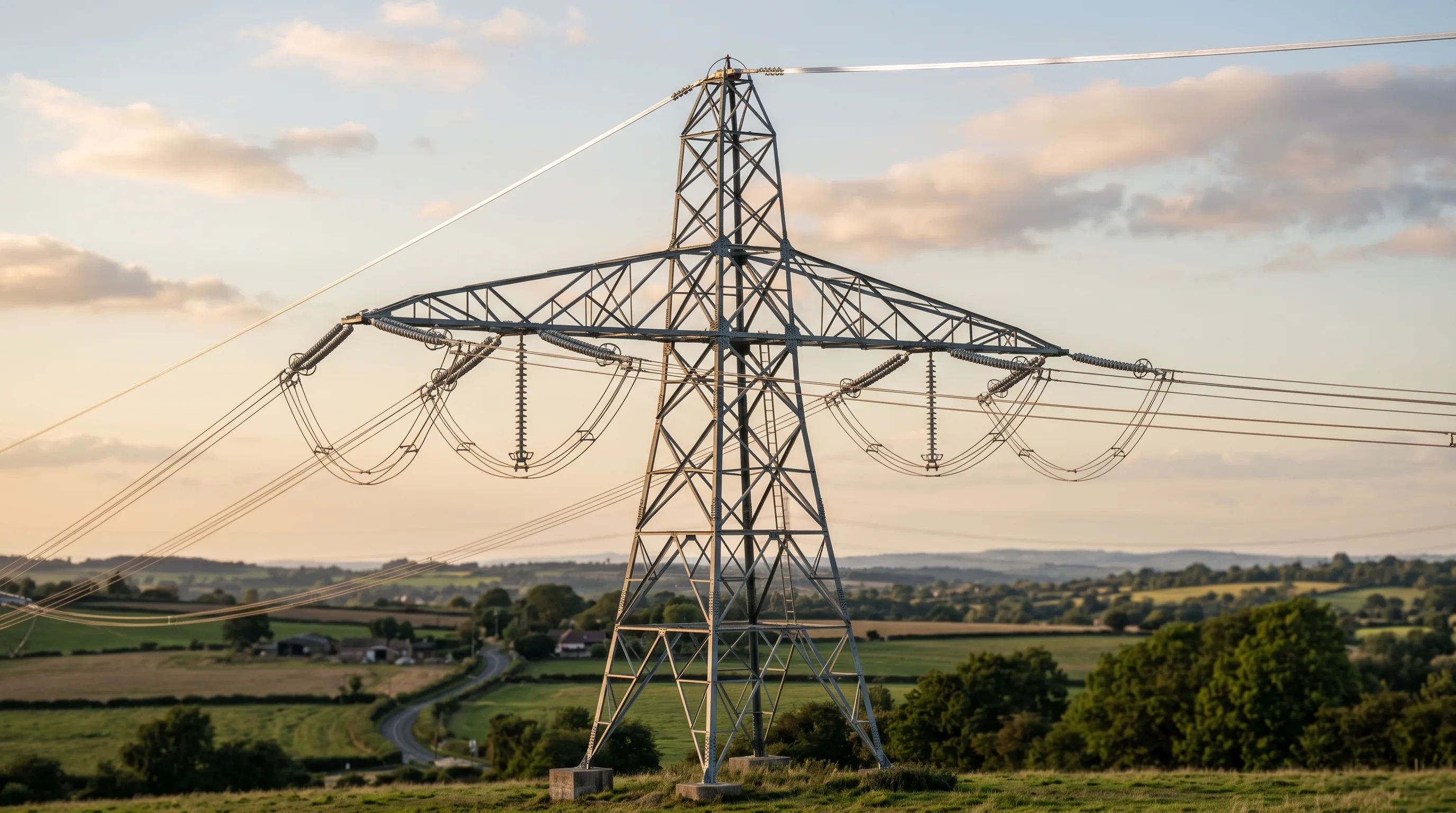
Optical Ground Wire (OPGW) is reshaping how utilities build and monitor overhead power transmission lines. By merging the lightning-protection role of a traditional static/shield/earth wire with an embedded fiber optic core, OPGW delivers grounding and high-speed communication on a single overhead cable. This guide walks through what an earth wire, static wire, shield wire, and OPGW each do, then compares OPGW against traditional wires across functionality, design, capability, and application. For more on outdoor-rated fiber, explore TTI Fiber's outdoor fiber optic cable catalog.
Table of Contents
- What Is the Earth Wire in the Transmission Line?
- What Is a Static Wire?
- What Are Shield Wires?
- What Is OPGW Optical Ground/Earth Wire?
- The Difference Between OPGW and Traditional Static/Shield/Earth Wires
What Is the Earth Wire in the Transmission Line?
In the context of electrical engineering and power systems, an earth wire in a transmission line is a conductor that connects the metallic structure of the transmission line, such as towers or poles, to the ground. The primary purpose of the earth wire is to provide a path for fault currents to safely dissipate into the ground in the event of a fault, such as a lightning strike or a short circuit.
Earth wires are typically installed above the phase conductors of the transmission line and are often insulated to prevent accidental contact with the ground or other objects. By grounding the metallic structure of the transmission line, the earth wire helps protect the line from damage and ensures the safety of personnel working on or near the transmission line.
In addition to providing a path for fault currents, earth wires can also help improve the overall performance and reliability of the transmission line by reducing electromagnetic interference and static charges that can build up on the line. Overall, earth wires play a crucial role in the safe and efficient operation of transmission lines by providing a low-resistance path for fault currents and helping to maintain the integrity of the electrical system.
What Is a Static Wire?
A static wire, also known as a shield wire or overhead ground wire (OHGW), is a conductor used in electrical power transmission systems to protect the phase conductors from lightning strikes and other surges. It is typically installed at the top of transmission towers, above the phase conductors, to intercept lightning strikes before they can reach the energized conductors.
Key Functions of a Static Wire
- Lightning Protection: The primary function of a static wire is to provide a direct path to ground for lightning strikes, preventing them from hitting the phase conductors and causing damage or outages.
- Grounding: By directing lightning currents safely to the ground, static wires help protect the transmission line infrastructure and reduce the risk of damage to equipment and towers.
- Electromagnetic Interference Reduction: Static wires can also help reduce electromagnetic interference (EMI) that can affect communication lines and electronic equipment.
- Minimizing Line Losses: By preventing direct strikes to phase conductors, static wires help minimize power losses and maintain the efficiency of the transmission system.
Characteristics of Static Wires
- Position: Installed above the phase conductors on transmission towers.
- Material: Typically made of steel or aluminum for strength and durability.
- Grounding: Connected to the earth through grounding electrodes at regular intervals along the transmission line.
Static wires are crucial for ensuring the reliability and safety of power transmission systems by providing effective lightning protection and helping maintain the integrity of the electrical network.
What Are Shield Wires?
Shield wires, also known as shielding wires or static wires, serve a crucial role in electrical power transmission systems by protecting phase conductors from lightning strikes and other transient overvoltages. They are installed above the phase conductors on transmission towers to intercept lightning and direct it safely to the ground, thereby preventing damage to the transmission lines and associated equipment.
Key Functions of Shield Wires
- Lightning Protection: Shield wires provide a direct path for lightning strikes to reach the ground, preventing them from hitting the phase conductors and causing faults or outages.
- Grounding: By safely channeling lightning currents to the ground, shield wires protect the transmission line infrastructure, including towers and conductors, from damage.
- Electromagnetic Interference Reduction: Shield wires can reduce electromagnetic interference (EMI) that can affect nearby communication lines and electronic equipment, improving overall system performance.
- Enhancing System Reliability: By preventing direct strikes on the phase conductors, shield wires help maintain the reliability and efficiency of the transmission system, minimizing disruptions and power losses.
Characteristics of Shield Wires
- Position: Mounted at the top of transmission towers, above the phase conductors.
- Material: Typically made from strong and durable materials such as steel or aluminum, which can withstand high current and mechanical stress.
- Grounding: Connected to the ground through grounding electrodes or ground rods at intervals along the transmission line.
Shield wires play an essential role in the safe and efficient operation of power transmission systems by providing robust protection against lightning strikes and reducing the risk of electrical faults.
What Is OPGW Optical Ground/Earth Wire?
What Does OPGW Stand For?
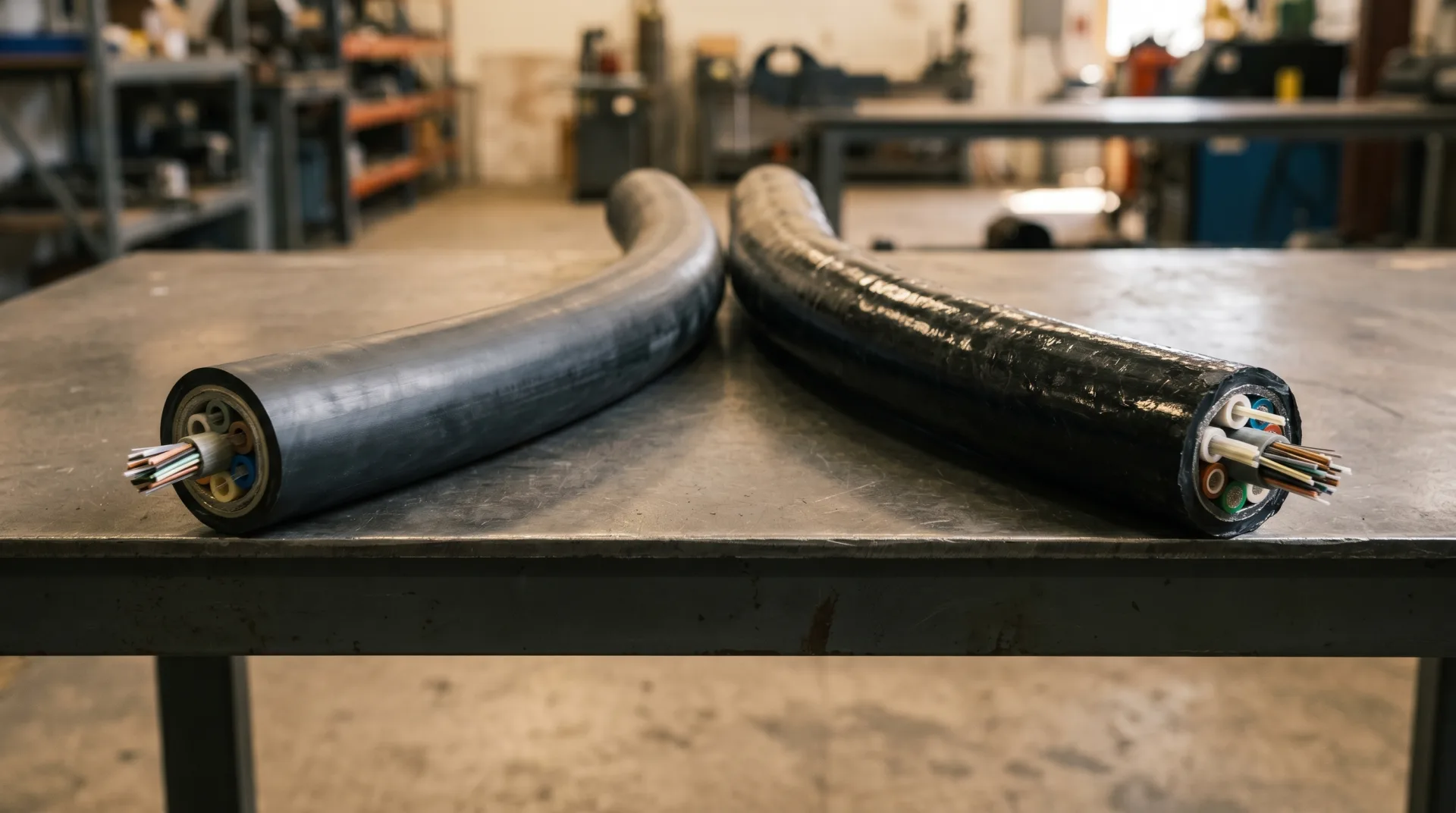
OPGW stands for Optical Fiber Composite Overhead Ground Wire, which is a type of cable that is used in overhead transmission and distribution lines. OPGW is a fiber composite ground wire, which consists of one or more aluminum or steel tubes containing a certain number of optical fibers and aluminum-coated steel wires used in the first layer of the cable and in the other layers of aluminum, steel, aluminum alloy wires or a combination of them, that are used based on the required electrical and mechanical specifications.
An Optical Ground Wire (OPGW) is a type of earth wire used in electrical power transmission systems that combines the functions of grounding and communication. It consists of a cable that serves both as a ground wire for protecting the transmission line and as a fiber optic cable for data transmission. Because it rides on the same overhead towers as the phase conductors, it shares the weathering and span requirements described in our primer on how temperature changes impact fiber performance.
Key Features of OPGW Optical Ground Wire
- Grounding Function: Like traditional earth wires, OPGW is installed at the top of transmission towers and provides a path to ground for lightning strikes and fault currents. This helps protect the transmission line and associated equipment from damage.
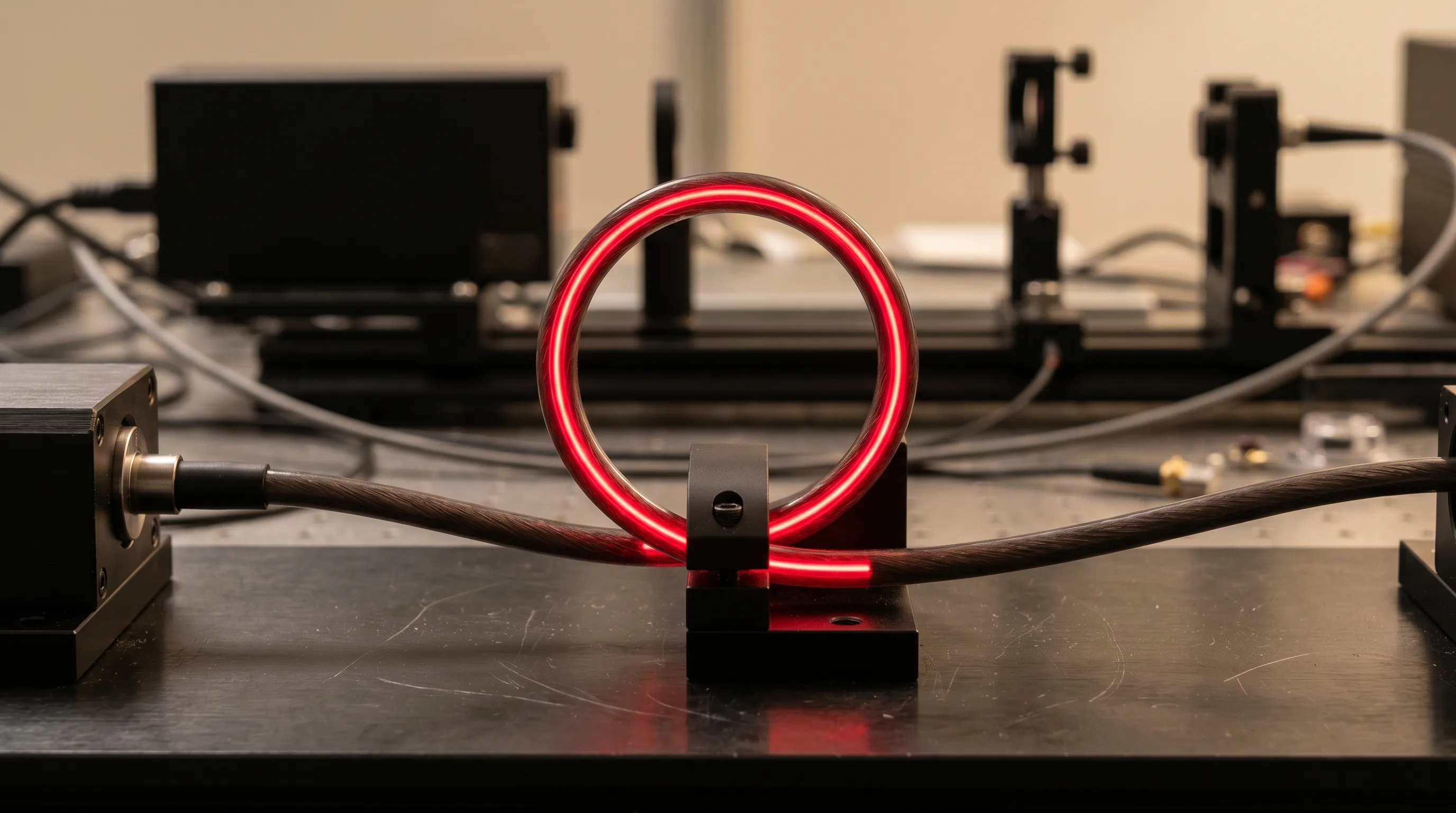
- Communication Function: OPGW contains optical fibers within its structure, which are used for high-speed data transmission. This enables power utilities to use the same infrastructure for both grounding and communication, leading to cost savings and improved efficiency.
- Dual Purpose: The integration of fiber optics allows utilities to monitor and control the power grid in real time, supporting functions like system protection, control, and monitoring.
Characteristics of OPGW Earth Wire
- Construction: OPGW cables typically consist of a central core containing optical fibers, surrounded by layers of aluminum or steel wires. This construction provides mechanical strength while protecting the optical fibers.
- Position: Installed at the highest point on transmission towers, above the phase conductors.
- Material: Made from materials like aluminum-clad steel or aluminum alloy to balance strength, conductivity, and weight.
Benefits of OPGW Optical Ground Wire
- Cost Efficiency: Combining grounding and communication functions in a single cable reduces the need for separate infrastructure, saving on installation and maintenance costs.
- Enhanced Communication: The fiber optic component supports high-speed data transfer, enabling advanced grid management and communication capabilities.
- Improved Reliability: Provides robust protection against lightning strikes and electromagnetic interference, enhancing the overall reliability of the power transmission system.
- Future Proofing: Optical fibers within OPGW can support current and future communication needs, making the power grid more adaptable to technological advancements.
Overall, OPGW earth wires play a crucial role in modern power transmission systems by providing both essential grounding functions and advanced communication capabilities. For the fiber side of the cable, a key design decision is whether to use a tight-buffered or loose-tube construction — see the differences between tight-buffered and loose-tube fiber optic cables for how the latter better handles the wide temperature range and mechanical stress found on OPGW spans.
The Difference Between OPGW and Traditional Static/Shield/Earth Wires
The main difference between Optical Ground Wire (OPGW) and traditional static/shield/earth wires lies in their functionality. OPGW is a dual-function cable that serves both as a ground wire and a communication network, whereas traditional static/shield/earth wires are solely used for grounding purposes.
Differences Between OPGW Wire and Traditional Wires
| Attribute | OPGW | Traditional Static/Shield/Earth Wires |
|---|---|---|
| Functionality | Combines grounding and communication. Acts as a ground wire to protect against electrical faults and lightning strikes while also containing optical fibers for high-speed data transmission. | Used only for grounding to protect the transmission line from lightning and fault currents. Do not support any communication functions. |
| Design | Tubular structure containing one or more optical fibers, surrounded by layers of steel and aluminum wire. Provides mechanical strength and protection for the optical fibers. | Typically constructed from steel or aluminum, focusing on strength and conductivity without incorporating any optical fibers. |
| Capability | Handles mechanical stresses from environmental factors like wind and ice, and also facilitates data communication for monitoring and controlling the power grid. | Designed to withstand environmental stresses but lack the capability to support data communication. |
| Application | Used to replace traditional static/shield/earth wires on overhead transmission lines, providing a dual-purpose solution that enhances both grounding and communication infrastructure. | Continue to serve in applications where only grounding is required without the need for integrated communication capabilities. |
- Functionality: OPGW combines the roles of grounding and communication. Traditional wires are used only for grounding.
- Design: OPGW features a tubular structure containing one or more optical fibers, surrounded by layers of steel and aluminum wire. Traditional wires are typically constructed from steel or aluminum without any optical fibers.
- Capability: OPGW handles mechanical stress from wind and ice and also facilitates data communication. Traditional wires are designed to withstand environmental stress but lack any data-communication capability.
- Application: OPGW is used to replace traditional static/shield/earth wires on overhead transmission lines, providing a dual-purpose solution. Traditional wires continue to serve in applications where only grounding is required.
The main distinction between OPGW and traditional static/shield/earth wires is that OPGW serves a dual function, providing both grounding and communication capabilities, while traditional wires are dedicated solely to grounding. This dual functionality makes OPGW an advanced solution for modern power transmission systems, supporting both electrical protection and high-bandwidth data transport on the same overhead route. If you are sourcing outdoor-rated fiber for utility, substation, or long-haul backbone builds, browse TTI Fiber's outdoor fiber optic cable range, and see our companion guide on what can interfere with fiber optic internet for practical EMI and environmental considerations once the fiber is in service.