How to Choose the Best Low-Loss Optical Fiber for Your Network Infrastructure
When it comes to transmitting data over long distances, low-loss optical fiber is a critical component in ensuring that your network performs at its best. Whether you're designing a cutting-edge telecom network or optimizing your data center, understanding the ins and outs of low-loss fiber optics is essential. For a deeper look at how fiber loss is measured, see our guide on what is a good dB loss for fiber optics.
What Is Low Loss Optical Fiber?
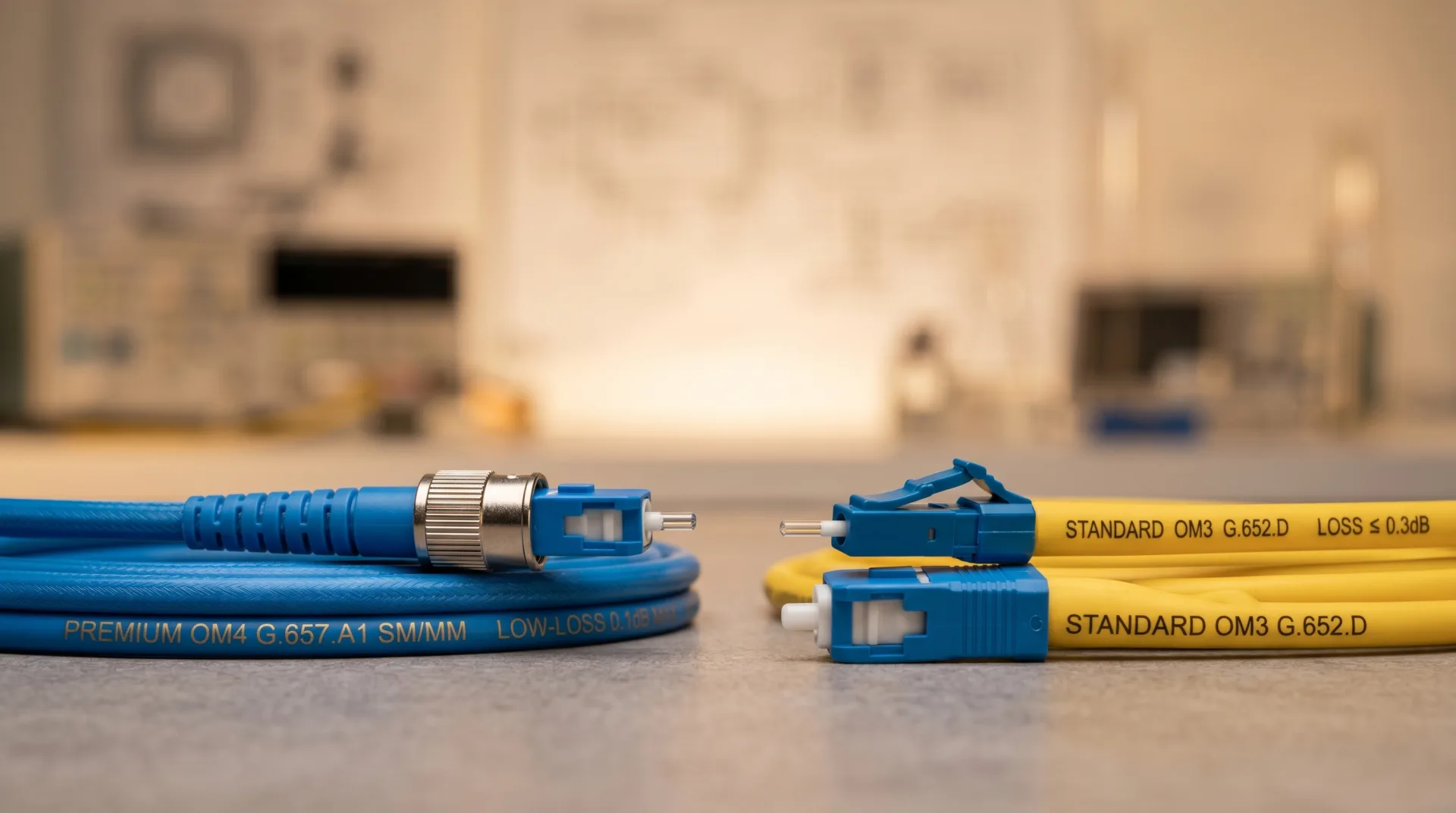
Low loss optical fiber is a type of fiber optic cable specifically designed to minimize signal degradation over long distances. These fibers are engineered to have very low attenuation, meaning they lose very little signal as the data travels through the cable. This is vital in applications where high-speed data transfer is needed over extended distances, without the need for frequent signal boosters or repeaters.
Key Features of Low Loss Optical Fiber
- Minimal Attenuation: Low loss fiber significantly reduces the amount of signal that is lost during transmission, ensuring data remains clear and strong.
- High Transmission Efficiency: Because of its low loss, this type of fiber can transmit more data over longer distances without degradation in quality.
- High-Quality Signal Transmission: It ensures that the data reaching the receiver is as clear as when it left the source, which is essential for mission-critical applications.
Materials Used in Low Loss Optical Fiber
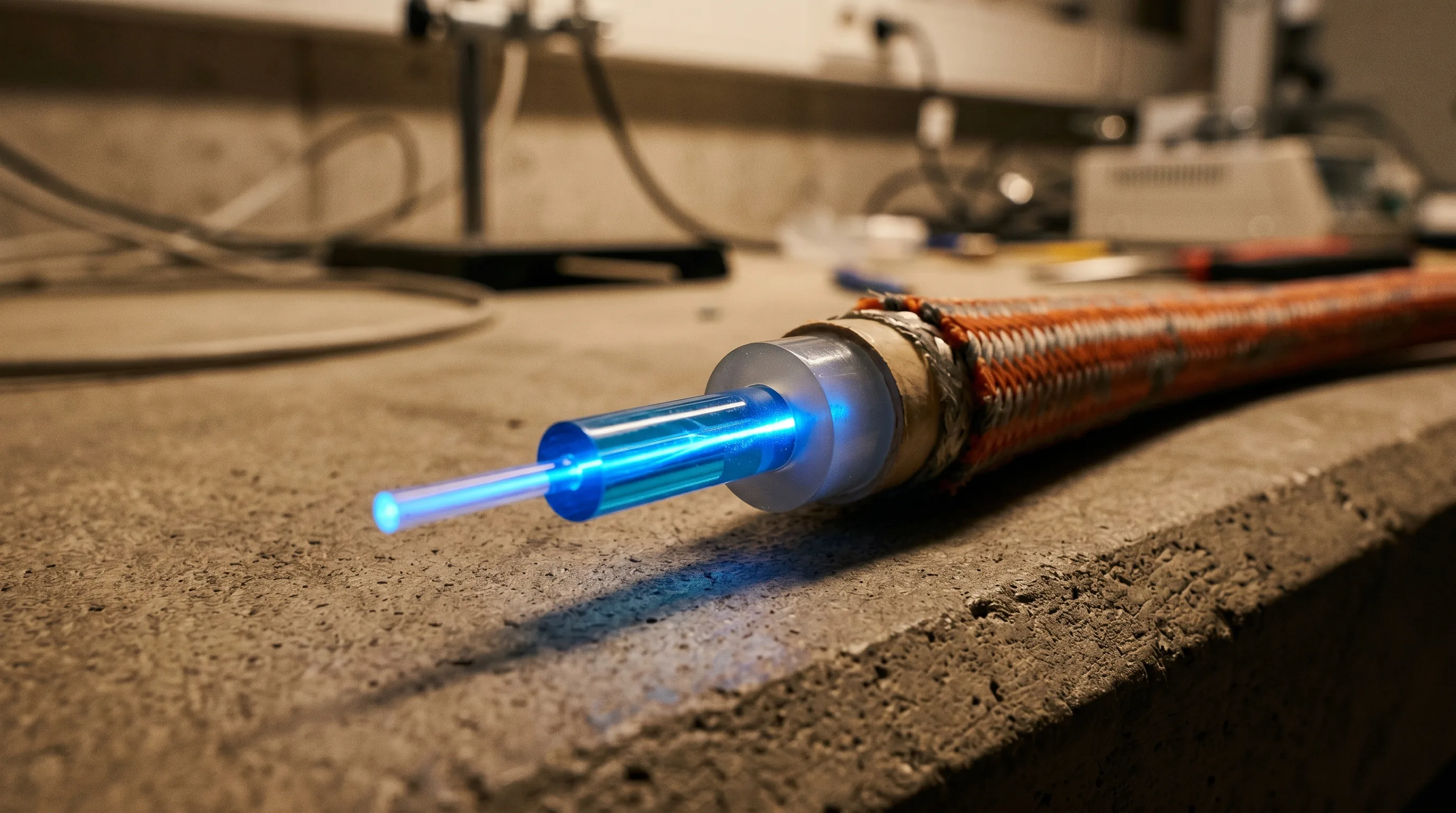
Low loss optical fibers are typically made from silica-based fibers, as silica naturally has very low attenuation. The fibers are also coated with special materials to enhance performance and protect against environmental factors like moisture or physical damage.
Why Low Loss Matters in Optical Fiber
When it comes to building high-performance networks, low-loss fibers are indispensable. The role of low loss in fiber optics extends beyond just maintaining data quality; it directly impacts the overall efficiency and cost-effectiveness of your network infrastructure.
The Role of Low Loss in Fiber Optics
- Signal Clarity and Integrity: Low loss ensures that the signal remains as clear as possible, minimizing interference and data corruption.
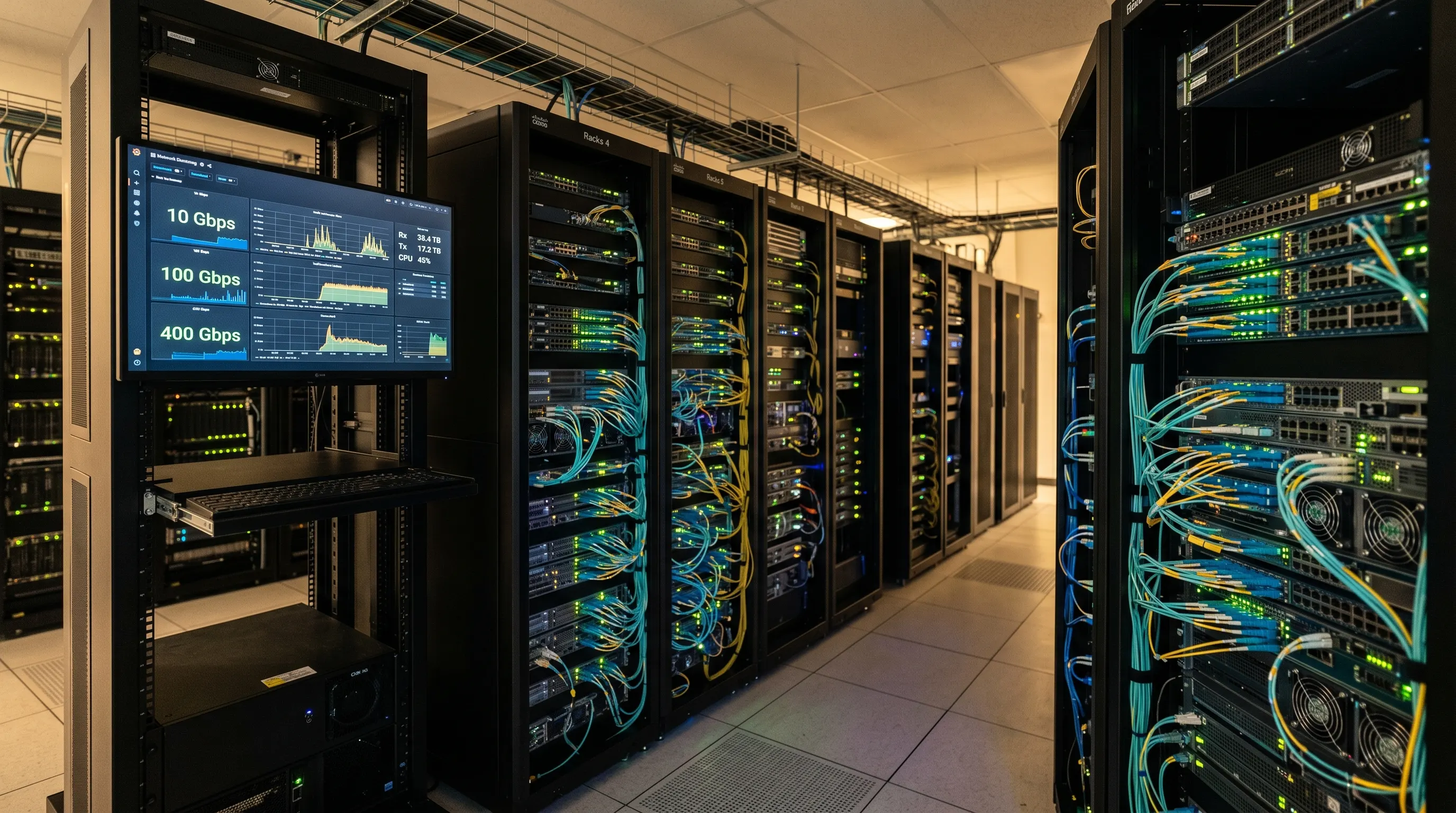
- Bandwidth Efficiency: With low-loss fibers, more data can be transmitted in a shorter amount of time, supporting high-demand applications like cloud computing, HD video streaming, and 5G networks.
Key Benefits of Low Loss Optical Fiber
- Reduced Signal Degradation: Low loss fibers ensure the data remains clear over longer distances, making them ideal for telecom and data networks.
- Longer Transmission Distances: With reduced attenuation, data can travel longer distances without the need for amplifiers or repeaters.
- Improved Data Rates and Stability: As data is transmitted with minimal loss, businesses experience more stable, faster data transmission with fewer interruptions.
Applications of Low Loss Optical Fiber
Low loss optical fiber is used across several industries where high-quality, high-speed data transmission is non-negotiable. Here are some of the key applications. For outdoor deployments, TTI Fiber's outdoor fiber optic cables are purpose-built for low-loss long-haul runs.
- Telecommunications and Data Networks: Low loss fiber is a cornerstone of telecom infrastructure. It supports backbone networks, 5G technology, and high-speed internet services by enabling long-distance communication with minimal signal loss.
- Healthcare: In medical imaging systems and endoscopic procedures, where clear, real-time data is critical, low loss fibers ensure that the signals remain strong and reliable. They're also used in telemedicine, where data needs to be transmitted without loss of quality.
- Industrial and Military Applications: In harsh environments like oil rigs, factories, or military operations, low loss optical fibers are essential for long-distance communication. These fibers are used in precision instruments and for secure, high-speed communication in military contexts.
- Broadcasting and Video Surveillance: Low loss fibers are critical in broadcasting systems, where the transmission of high-definition video requires fast, clear, and uninterrupted signals. Similarly, for video surveillance systems, these fibers provide the necessary bandwidth to transmit high-quality video feeds across long distances.
Types of Low Loss Optical Fibers
Understanding the different types of low loss optical fibers helps you choose the right one for your specific needs. The two primary types of optical fibers used in most applications are single-mode and multi-mode fibers.
Single-Mode vs. Multi-Mode Fiber
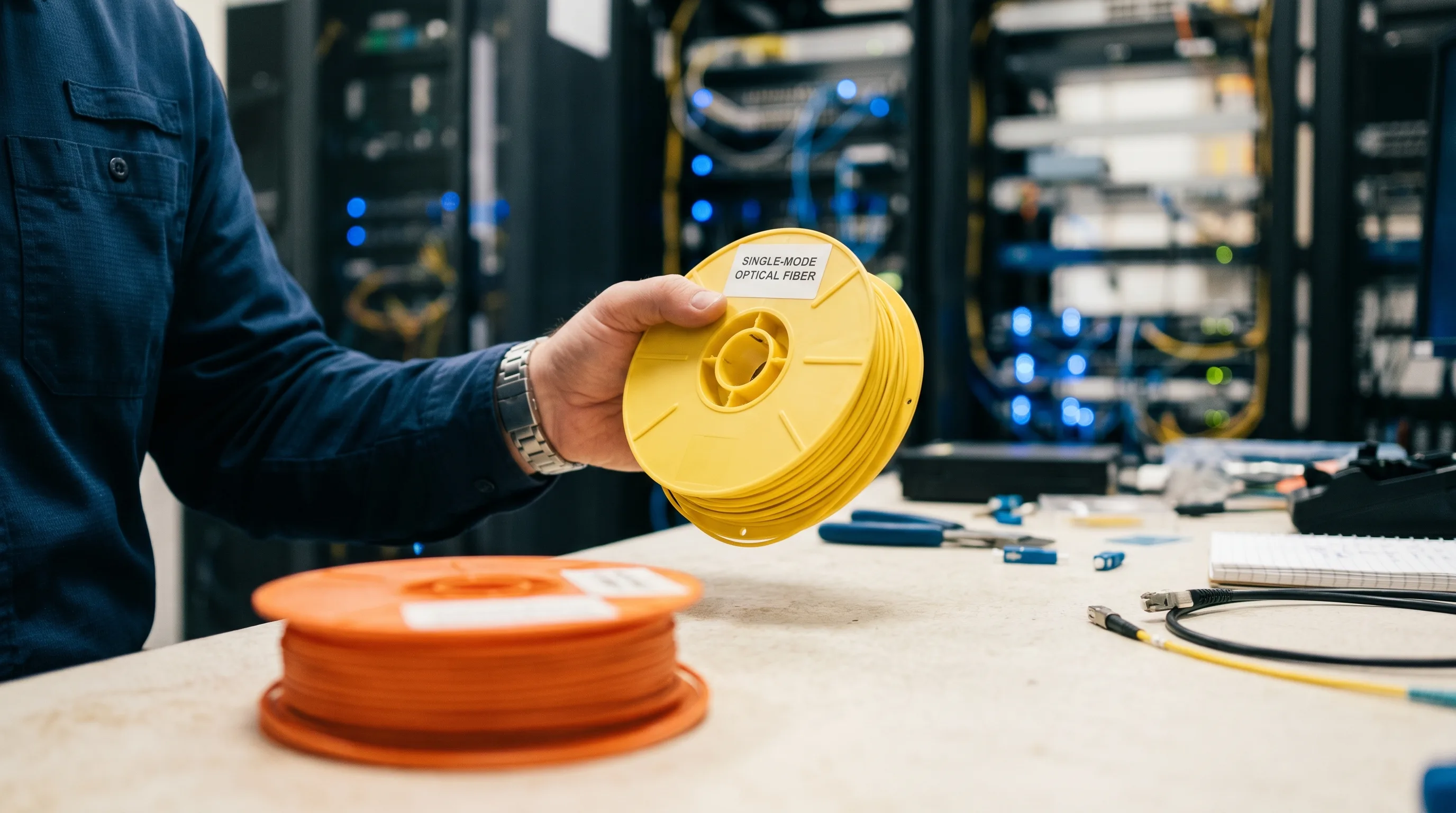
- Single-Mode Fiber: These fibers have a smaller core size and transmit signals as a single beam of light, resulting in minimal loss and longer transmission distances (up to hundreds of miles). Single-mode fiber is ideal for telecommunications and long-distance data transmission.
- Multi-Mode Fiber: These fibers have a larger core and allow multiple light signals to travel simultaneously. While multi-mode fibers tend to have slightly higher loss, they're suitable for shorter distances, such as within buildings or local area networks (LANs).
Specialty Fibers
- Dispersion-Shifted Fiber: Optimized for minimizing signal distortion and attenuation at specific wavelengths, these fibers are used in applications like long-distance telecommunication.
- Other Specialized Fibers: There are also fibers designed for specific purposes, such as high-speed data transmission, industrial sensing, or fiber optic sensing in harsh environments.
What Factors Affect Fiber Loss?
Several factors influence the attenuation levels of optical fibers. Understanding these variables will help you select the right fiber for your needs. (See also: what causes the majority of loss in fiber optics.)
- Wavelength and Attenuation: The wavelength of light used to transmit signals through the fiber impacts the attenuation rate. Some wavelengths experience higher loss than others, so selecting the right wavelength is crucial for minimizing signal loss, especially over long distances.
- Fiber Quality and Manufacturing Process: The quality of the raw materials used and the manufacturing process can significantly impact the attenuation characteristics of the fiber. Higher-quality fibers, made with purer materials and better manufacturing techniques, will have lower attenuation and perform better in demanding applications.
- Environmental Factors: Temperature fluctuations, moisture, and physical stress can all affect the performance of optical fibers. It's important to account for these environmental conditions when selecting and installing fiber optic cables, especially in outdoor or harsh industrial settings.
How to Choose Low-Loss Optical Fiber for Your Needs
Selecting the best low-loss optical fiber for your network infrastructure depends on several factors, including the distance, data rate, and specific environmental conditions.
Factors to Consider
- Distance and Signal Loss Tolerance: If you need to transmit data over long distances, opt for single-mode fibers with low attenuation to minimize the need for amplifiers or repeaters.
- Required Bandwidth and Data Rate: Ensure the fiber type you select can handle the required bandwidth and data rate for your applications, especially for high-speed networks.
- Environmental Conditions: For outdoor or industrial applications, consider fibers with special coatings or designs to protect against environmental stress factors like moisture and temperature changes.
Matching Fiber Type to Application
- Telecommunications: Single-mode fiber is ideal for telecom and internet backbone networks.
- Healthcare: Low loss fibers used in medical devices should meet specific performance and reliability standards.
- Industrial Use: In harsh environments, look for fibers with rugged coatings designed for durability and signal integrity.
Maintenance and Longevity of Low Loss Optical Fibers
Proper care and maintenance can ensure the longevity and optimal performance of your low-loss optical fibers.
Troubleshooting Common Issues
- Splice Loss: Ensure that fiber splices are properly done to avoid additional attenuation.
- Fiber Bend Loss: Avoid sharp bends, as this can cause increased attenuation and signal loss.
Where to Buy Low Loss Optical Fiber
Choosing the right supplier is crucial for getting high-quality low loss optical fiber at competitive prices. Here are some top considerations when purchasing:
- Top Suppliers and Manufacturers: Look for manufacturers with a strong reputation for producing high-performance optical fiber products. Some well-known suppliers include Corning, Prysmian Group, and OFS.
- Cost vs. Performance: While low loss optical fibers tend to be more expensive than standard fibers, their improved performance and reduced maintenance costs make them a cost-effective choice in the long run. Weigh the cost against the benefits for your specific needs.
Low loss optical fiber plays a critical role in maintaining the performance and efficiency of modern communication networks, from telecom to healthcare and industrial applications. By understanding the different types of low loss fiber, how they work, and how to choose the best fiber for your infrastructure, you'll be better equipped to make informed decisions for your network needs. Whether you're upgrading your business's telecom infrastructure or building a new data center, low loss optical fiber ensures your data flows smoothly, efficiently, and at high speeds.