50/125 vs. 62.5/125 Fiber: Which Should You Choose?
What's the Difference Between 50/125 and 62.5/125 Fiber?
If you've ever shopped for fiber optic cables online or tried to upgrade your network, you've likely run into two confusing sets of numbers: 50/125 and 62.5/125. At first glance, they might look similar — but these numbers can make a big difference in how well your network performs, how future-proof your setup is, and even what kind of connectors you'll need.
Whether you're setting up a home office, upgrading your small business network, or just want faster speeds for streaming, this guide will help you understand exactly what those numbers mean — and which one is the smarter choice for your situation.
Let's break it down in plain language.
1. What Do the Numbers 50/125 and 62.5/125 Mean?
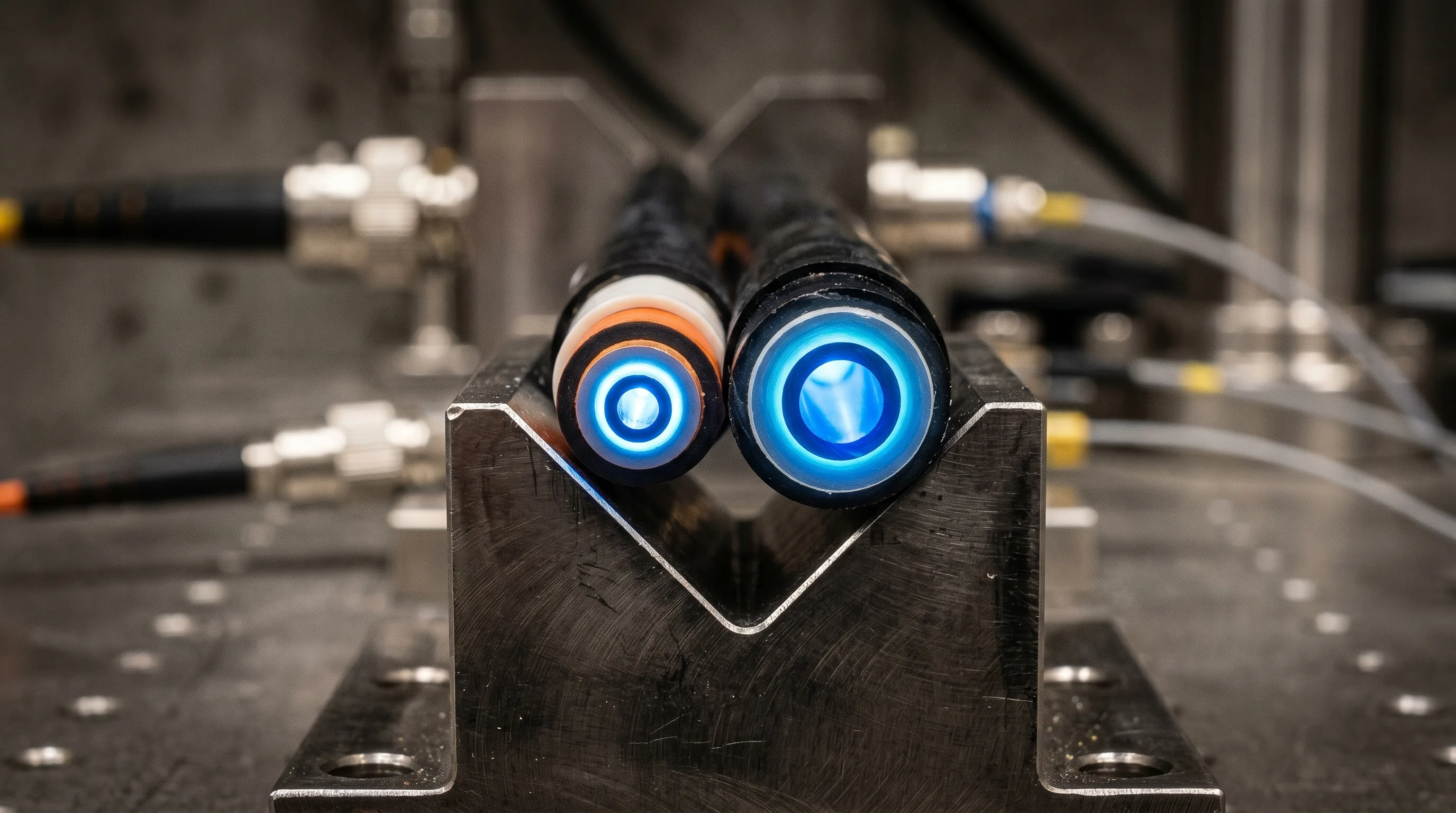
These numbers refer to the core and cladding diameter of a multimode fiber optic cable, measured in microns (µm):
- 50/125 μm = 50-micron core, 125-micron cladding
- 62.5/125 μm = 62.5-micron core, 125-micron cladding
The core is where the light travels through the cable — it's essentially the highway for data. The cladding keeps the light signals contained within the core, helping them reflect properly and maintain signal integrity.
So why does this small difference in core size matter? Because it changes how the light travels and how fast it can move — especially over longer distances or higher speeds. For a complete walk-through of how these sizing tiers fit inside the larger multimode lineup, see our overview of the difference between OM1, OM2, OM3, and OM4.
2. How Do They Perform? Speed and Bandwidth Differences
Here's where it gets practical: the smaller 50-micron core actually performs better at high speeds and longer distances than the older 62.5-micron type.
| Specification | 50/125 Fiber (OM2/OM3/OM4) | 62.5/125 Fiber (OM1) |
|---|---|---|
| Typical Applications | 10G, 40G, 100G networks | Older 1G/10G LANs |
| Max Distance @ 1 Gbps | 1,000 meters (OM3) | 600 meters |
| Max Distance @ 10 Gbps | 400 meters (OM4) | 33 meters |
| Bandwidth Capacity | Higher | Lower |
| Future Compatibility | Yes | Limited |
So if you're working with 10G or higher, or want to avoid replacing cables in a few years, 50/125 is the better bet. Curious how far the latest OM4 runs can really stretch? Read how far OM4 multimode fiber can transmit.
3. Where Each Type Works Best?
Still not sure which one you need? Let's match the fiber types to typical situations.
Use 50/125 Fiber If:
- You're building or upgrading a home office or small business network
- You want 10G, 40G, or even 100G connections
- You're setting up a data center or server room
- You need longer cable runs within a building
- You want to future-proof your setup
Use 62.5/125 Fiber If:
- You're maintaining an older system that already uses it
- Your budget is tight and you're only running low-speed, short-distance connections
- You have equipment that only accepts OM1 fiber
If you're starting from scratch, go with 50/125 fiber. It's the current standard (OM3/OM4/OM5) and will last you longer.
4. Can You Mix 50/125 and 62.5/125 Fibers?
Short answer: you shouldn't. Even though the outer size (cladding) is the same (125 µm), the core sizes differ. Connecting 62.5/125 fiber to 50/125 fiber will cause insertion loss — meaning you lose data signal strength.
Mixing them may still work for very short distances, but it's not reliable or recommended, especially for commercial use or faster networks.
5. Which Fiber Type Is More Common Today?
The industry has shifted toward 50/125 μm fiber, especially OM3, OM4, and the newer OM5 standards. These types are used in:
- Data centers
- High-speed office LANs
- Cloud computing environments
- Streaming and gaming networks
On the other hand, 62.5/125 μm (also known as OM1) was more common in the 1990s and early 2000s. It's considered legacy fiber today, and while it's still available, it's not recommended for new builds. For a deeper look at whether the in-between OM2 grade still has a role, see is OM2 obsolete?
6. How to Tell Them Apart Before You Buy
If you're buying fiber cables online or sorting through a box of network gear, how do you tell which is which?
Look for:
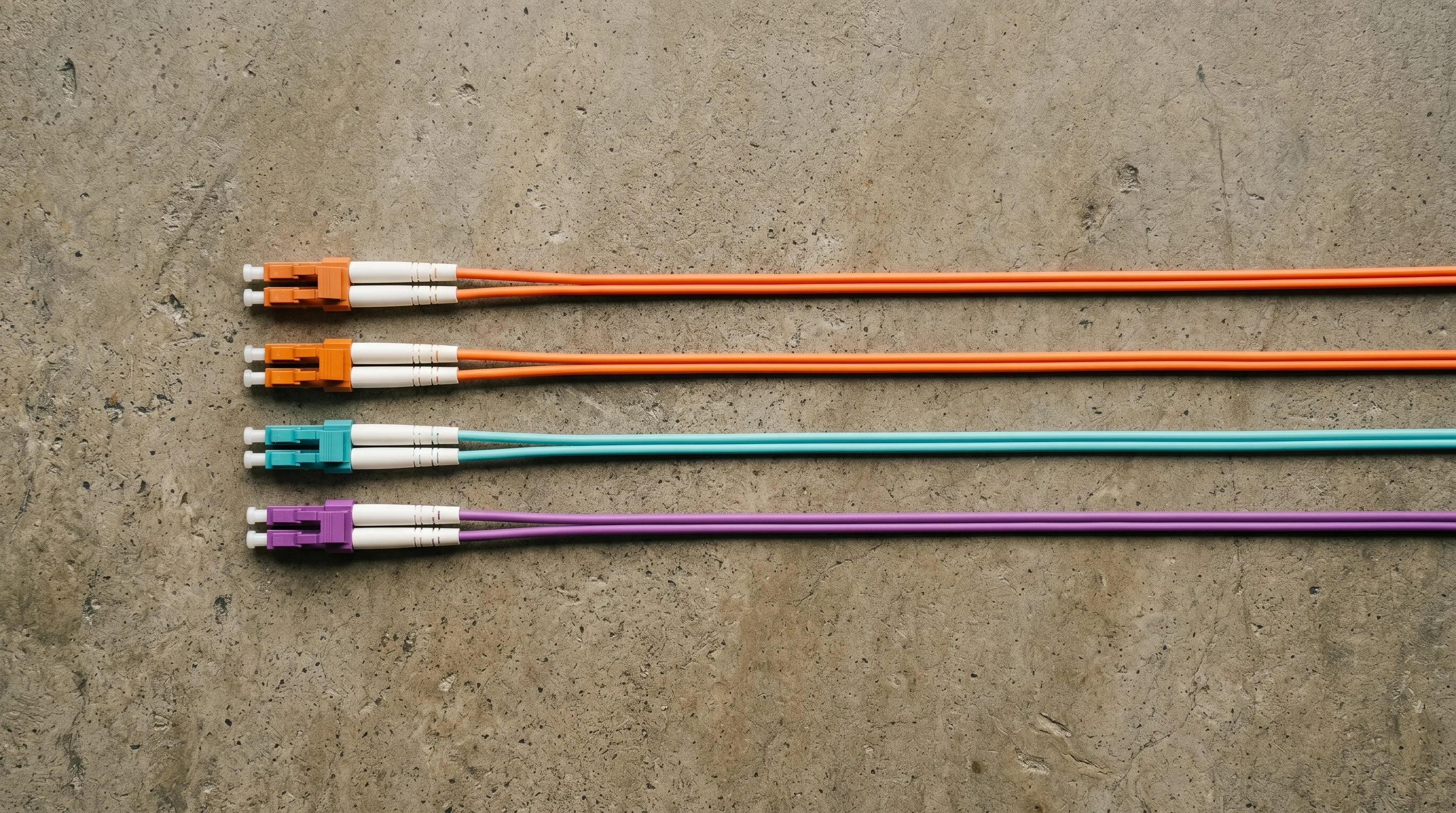
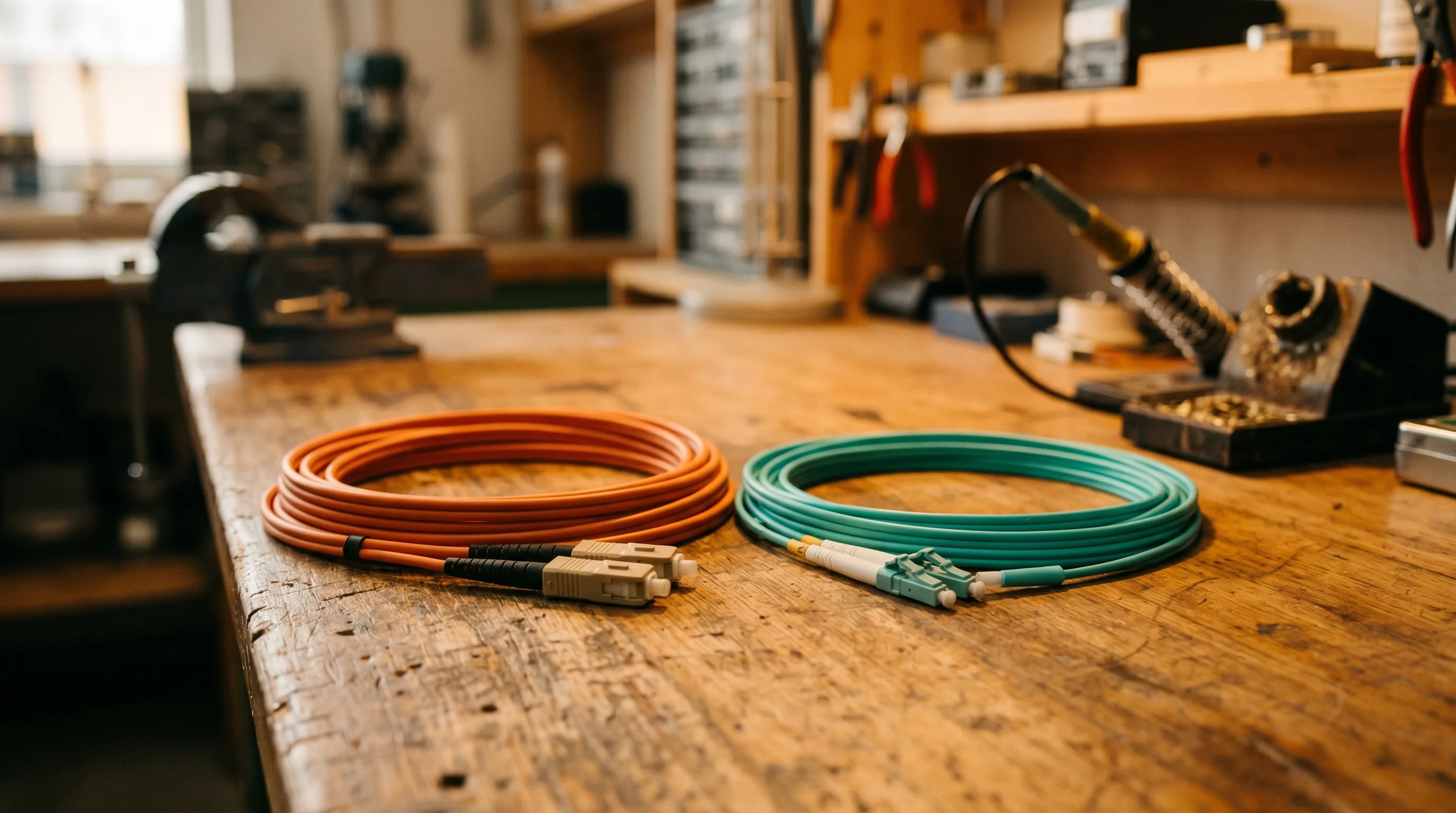
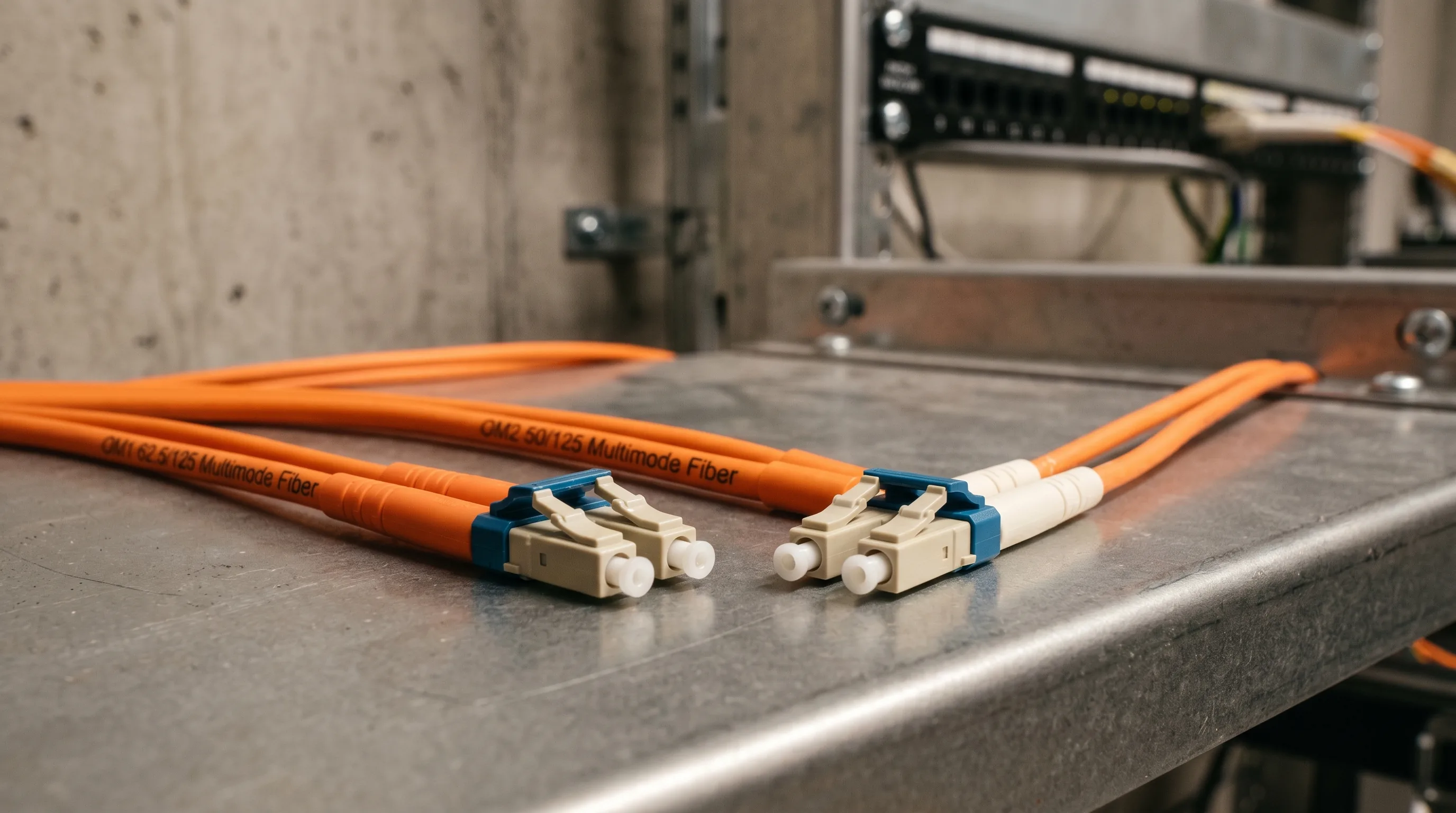
- Jacket color: 50/125 OM3/OM4 is usually aqua or violet (OM4+); 62.5/125 OM1 is usually orange
- Labeling: Most cables are clearly marked along the jacket with specs like "OM3 50/125"
- Connector type: While both use SC/LC/MTP types, the cable core size behind them matters
7. Which Is More Affordable in the Long Run?
While 62.5/125 fiber might be cheaper upfront (due to older stock and simpler performance), it lacks the bandwidth to support modern needs. That means you might need to upgrade sooner — which costs more in the long run.
50/125 fiber, especially OM3 and OM4, may cost slightly more now but:
- Supports higher speeds
- Reduces the number of cables needed
- Works with modern networking hardware
- Is more widely available
So unless you're maintaining legacy gear, 50/125 is a smarter investment.
8. Frequently Asked Questions (FAQ)
Q1: Can I use 50/125 for 1G Ethernet?
Yes! It works perfectly and supports much higher speeds too.
Q2: Is 62.5/125 fiber obsolete?
It's not obsolete, but it's outdated. Only use it if your existing hardware is limited to OM1.
Q3: Are both compatible with LC or SC connectors?
Yes, as long as the connector is built for the correct core size.
Q4: Will I lose signal if I mismatch fiber types?
Yes — especially if you're connecting a larger-core 62.5/125 cable to a smaller-core 50/125. You'll get high signal loss.
Q5: Can I upgrade from 62.5 to 50/125 fiber?
Yes, but you'll need to change connectors and possibly patch panels or transceivers. It's worth it if you're upgrading to 10G or more.
9. Where to Buy High-Quality 50/125 or 62.5/125 Fiber
When buying fiber, quality and clarity matter. That's why companies like TTI Fiber are trusted globally for their:
- Clearly labeled OM3/OM4/OM5 fiber cables
- High-performance patch cords, jumpers, and trunk cables
- Custom length and connector types
- Expert technical support for small and enterprise-level users
TTI Fiber serves both bulk commercial buyers and individual users looking for precision and performance. If you're shopping for 50/125 fiber to upgrade your office or home, our indoor fiber optic cable catalog and patch cord range are a great place to start.
10. 50/125 vs. 62.5/125 Quick Comparison Table
| Feature | 50/125 µm Fiber (OM3/OM4/OM5) | 62.5/125 µm Fiber (OM1) |
|---|---|---|
| Core Diameter | 50 µm | 62.5 µm |
| Speed Support | Up to 400G | Up to 1–10G |
| Max Distance @ 10G | 400 meters (OM4) | ~33 meters |
| Common Jacket Color | Aqua / Violet | Orange |
| Use Case | Modern networks, future-proof | Legacy systems |
| Compatibility | Current standard | Declining support |
| Investment Value | Higher | Lower |
So, what's the difference between 50/125 and 62.5/125 fiber? It comes down to performance, compatibility, and long-term value.
- If you're upgrading or building a modern fiber network, go with 50/125.
- Only choose 62.5/125 if you're maintaining legacy equipment.
And remember, when in doubt — buy from a reputable source like TTI Fiber to ensure quality, labeling accuracy, and support. Learn more about our manufacturing background on the About TTI Fiber page, or explore real-world deployments in our guide to OM4 and OM5 fiber cable applications.